Are you among the millions of people worldwide who experience anxiety, with over 40 million adults in the United States alone suffering from an anxiety disorder? Calming anxiety naturally is possible through nervous system-based healing, which focuses on understanding and balancing the body’s nervous system to reduce anxiety symptoms. This approach offers a holistic and sustainable way to manage anxiety, promoting long-term well-being. In this comprehensive guide, we will explore the fundamentals of nervous system-based healing and provide actionable steps to calm anxiety naturally.
Anxiety can be overwhelming, affecting every aspect of life. However, by understanding the underlying mechanisms of the nervous system and how it contributes to anxiety, individuals can take the first steps towards healing. The primary keyword, “calming anxiety naturally,” will be our focus, as we delve into the world of nervous system-based healing. Throughout this article, we will discuss evidence-based techniques and strategies to help individuals manage their anxiety symptoms and improve their overall quality of life.
Before we dive into the main content, it’s essential to note that while this guide provides valuable information and resources, it is not a substitute for professional medical advice. If you are struggling with anxiety, it’s crucial to consult with a qualified healthcare professional for personalized guidance and support. With that said, let’s explore the ultimate guide to calming anxiety naturally through nervous system-based healing.
Understanding the Nervous System and Anxiety
The nervous system plays a vital role in regulating the body’s response to stress and anxiety. The autonomic nervous system (ANS) is responsible for controlling involuntary functions, such as heart rate, breathing, and digestion. The ANS has two main branches: the sympathetic nervous system (SNS) and the parasympathetic nervous system (PNS). The SNS is often referred to as the “fight or flight” response, while the PNS promotes relaxation and calmness.
When the body perceives a threat, the SNS is activated, releasing stress hormones like cortisol and adrenaline. This response is meant to be temporary, but for individuals with anxiety, the SNS can become overactive, leading to chronic stress and anxiety symptoms. On the other hand, the PNS can help counterbalance the SNS, promoting relaxation and reducing anxiety. By understanding the interplay between the SNS and PNS, individuals can take steps to calm their nervous system and reduce anxiety symptoms.
The Role of the Vagus Nerve in Anxiety
The vagus nerve is a critical component of the PNS, playing a key role in regulating the body’s response to stress and anxiety. The vagus nerve helps to slow down the heart rate, lower blood pressure, and promote relaxation. When the vagus nerve is stimulated, it can help to calm the nervous system, reducing anxiety symptoms. Techniques such as deep breathing, progressive muscle relaxation, and meditation can help stimulate the vagus nerve, promoting relaxation and reducing anxiety.
- Deep Breathing: Focus on slow, deep breaths, inhaling through the nose and exhaling through the mouth.
- Progressive Muscle Relaxation: Tense and then relax different muscle groups, starting with the toes and moving up to the head.
- Meditation: Practice mindfulness meditation, focusing on the present moment and letting go of worries about the past or future.
Nutrition and Anxiety: The Importance of a Balanced Diet
A healthy, balanced diet is essential for maintaining a healthy nervous system and reducing anxiety symptoms. A diet rich in whole foods, fruits, vegetables, and omega-3 fatty acids can help support the nervous system, while a diet high in processed foods, sugar, and caffeine can exacerbate anxiety symptoms. Certain nutrients, such as vitamin D, magnesium, and B vitamins, play a critical role in regulating the nervous system and reducing anxiety symptoms.
- Eat a Balanced Diet: Focus on whole foods, fruits, vegetables, and whole grains, and avoid processed and sugary foods.
- Stay Hydrated: Drink plenty of water throughout the day, aiming for at least eight glasses a day.
- Consider Supplements: Consult with a healthcare professional about taking supplements, such as omega-3 fatty acids, vitamin D, and magnesium, to support nervous system health.
Exercise and Anxiety: The Benefits of Physical Activity
Regular exercise is a natural anxiety-reducer, helping to calm the nervous system and reduce anxiety symptoms. Exercise can help reduce stress hormones, such as cortisol and adrenaline, while releasing endorphins, also known as “feel-good” hormones. Aerobic exercise, such as walking, running, or swimming, can be particularly beneficial for reducing anxiety symptoms, as it promotes relaxation and reduces muscle tension.
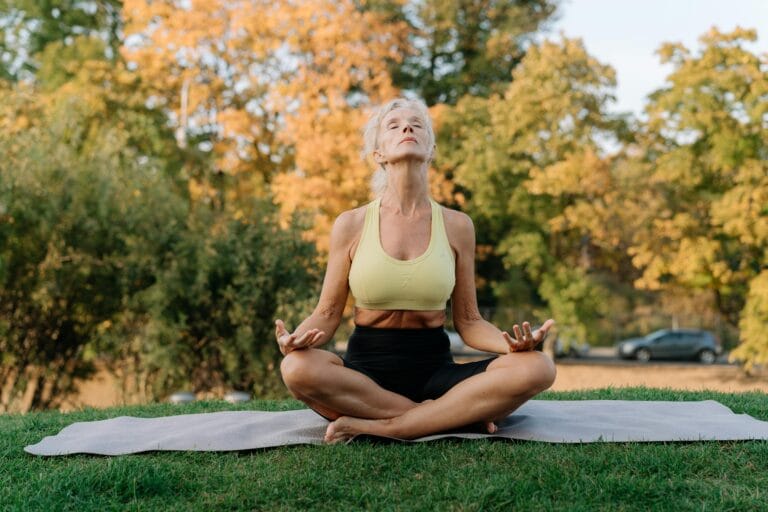
Yoga and tai chi are also excellent exercises for reducing anxiety symptoms, as they combine physical movement with deep breathing and meditation techniques. These exercises can help stimulate the vagus nerve, promoting relaxation and reducing anxiety symptoms.
Stress Management Techniques for Anxiety
Effective stress management is critical for reducing anxiety symptoms. Techniques such as cognitive-behavioral therapy (CBT), mindfulness-based stress reduction (MBSR), and dialectical behavior therapy (DBT) can help individuals manage stress and anxiety symptoms. These techniques focus on changing negative thought patterns, promoting relaxation, and improving emotional regulation.
Cognitive-Behavioral Therapy (CBT)
CBT is a helpful approach for managing anxiety symptoms, as it focuses on identifying and changing negative thought patterns. By becoming aware of these patterns, individuals can learn to challenge and replace them with more positive, realistic thoughts. CBT can be done with a therapist or through self-help resources, such as workbooks and online courses.
Sleep and Anxiety: The Importance of Restful Sleep
Sleep is essential for maintaining a healthy nervous system and reducing anxiety symptoms. During sleep, the body repairs and regenerates tissues, builds bone and muscle, and strengthens the immune system. Chronic sleep deprivation can exacerbate anxiety symptoms, making it essential to prioritize restful sleep.
Establishing a consistent sleep schedule, creating a relaxing bedtime routine, and avoiding caffeine and electronics before bedtime can help improve sleep quality. A dark, quiet sleep environment and a comfortable mattress can also promote restful sleep, reducing anxiety symptoms.
Calming Anxiety Naturally: Additional Techniques
In addition to the techniques mentioned above, there are several other methods for calming anxiety naturally. Aromatherapy, massage, and acupuncture can help reduce anxiety symptoms, promoting relaxation and reducing muscle tension. Spending time in nature, practicing gratitude, and engaging in creative activities can also help reduce anxiety symptoms, promoting a sense of calm and well-being.
Frequently Asked Questions
Question 1: What is the best way to calm anxiety naturally?
The best way to calm anxiety naturally is to combine a variety of techniques, such as deep breathing, exercise, and stress management, with a healthy lifestyle, including a balanced diet, adequate sleep, and regular relaxation practices.
Question 2: Can anxiety be cured naturally?
While anxiety may not be completely “cured,” natural techniques and lifestyle changes can significantly reduce anxiety symptoms, promoting long-term management and well-being.
Question 3: How long does it take to see results from natural anxiety-reducing techniques?
Results from natural anxiety-reducing techniques can vary, but many people experience significant improvements within a few weeks to a few months of consistent practice.
Key Takeaways
In conclusion, calming anxiety naturally is possible through a combination of nervous system-based healing techniques, lifestyle changes, and stress management strategies. By understanding the nervous system and its role in anxiety, individuals can take steps to balance their nervous system, reduce anxiety symptoms, and promote long-term well-being.
- Understand the nervous system and its role in anxiety
- Practice deep breathing, exercise, and stress management techniques
- Prioritize a healthy lifestyle, including a balanced diet, adequate sleep, and regular relaxation practices
- Consider seeking professional help from a qualified healthcare professional
- Be patient and consistent with natural anxiety-reducing techniques
If you are struggling with anxiety, remember that you are not alone, and there is hope for healing. By taking the first step towards calming anxiety naturally, you can begin to reduce your symptoms, promote relaxation, and improve your overall quality of life. Consult with a qualified healthcare professional to develop a personalized plan for managing anxiety and achieving long-term well-being.
Remember, calming anxiety naturally is a journey, and it’s essential to be patient, kind, and compassionate with yourself as you work towards healing. With the right techniques, support, and mindset, you can overcome anxiety and live a fulfilling, happy life, free from the burdens of anxiety.
Resources
- National Alliance on Mental Illness (NAMI) Helpline: 1-800-950-6264 (Monday – Friday, 10am – 6pm EST)
- Anxiety and Depression Association of America (ADAA): [www.adaa.org](http://www.adaa.org)
- Crisis Text Line: Text “HOME” to 741741 (24/7 free, confidential support)
- SAMHSA National Helpline: 1-800-662-4357 (24/7 free, confidential support)
Disclaimer: This article is for informational purposes only and does not constitute medical advice. Always consult with qualified healthcare professionals for diagnosis and treatment of anxiety disorders.