Are you among the 31.1% of adults in the United States who experience an anxiety disorder each year? Natural calm techniques can provide relief and are often recommended by therapists to help manage anxiety and stress. In this article, we’ll explore what natural calm techniques are, how they work, and the top three fastest natural calm techniques therapists recommend, including their applications and benefits.
Natural calm techniques are methods that help individuals manage stress, anxiety, and other emotional challenges without relying on medication. These techniques can be used in conjunction with therapy or as a standalone approach to achieving calm and relaxation. By incorporating natural calm techniques into your daily routine, you can improve your overall mental health and well-being.
Therapists recommend natural calm techniques because they are effective, easy to learn, and can be practiced anywhere. Whether you’re experiencing anxiety, stress, or simply need to unwind, natural calm techniques can help. In the following sections, we’ll delve into the top three fastest natural calm techniques therapists recommend, providing you with the tools you need to start managing your anxiety and stress today.
Understanding Natural Calm Techniques
Natural calm techniques are based on the idea that the mind and body are connected. By using techniques such as deep breathing, progressive muscle relaxation, and mindfulness, individuals can calm their minds and bodies, reducing feelings of anxiety and stress. These techniques can be practiced in a variety of settings, from the comfort of your own home to a therapist’s office.
One of the key benefits of natural calm techniques is their ability to reduce symptoms of anxiety and depression. By teaching individuals how to manage their emotions and respond to challenging situations, natural calm techniques can help individuals develop greater resilience and coping skills. Additionally, natural calm techniques can be used in conjunction with other therapies, such as cognitive-behavioral therapy, to enhance their effectiveness.
Breathing Techniques for Calm
Breathing techniques are some of the fastest and most effective natural calm techniques available. By focusing on your breath, you can calm your mind and body, reducing feelings of anxiety and stress. There are several different breathing techniques you can try, including diaphragmatic breathing, box breathing, and alternate nostril breathing.
Diaphragmatic breathing, also known as belly breathing, involves breathing deeply into your diaphragm, rather than shallowly into your chest. This type of breathing can help slow down your heart rate and promote relaxation. To practice diaphragmatic breathing, sit comfortably with your back straight, place one hand on your belly and the other on your chest, and breathe in deeply through your nose, allowing your belly to rise as your diaphragm descends.
- Step 1: Sit comfortably with your back straight
- Step 2: Place one hand on your belly and the other on your chest
- Step 3: Breathe in deeply through your nose, allowing your belly to rise as your diaphragm descends
Progressive Muscle Relaxation
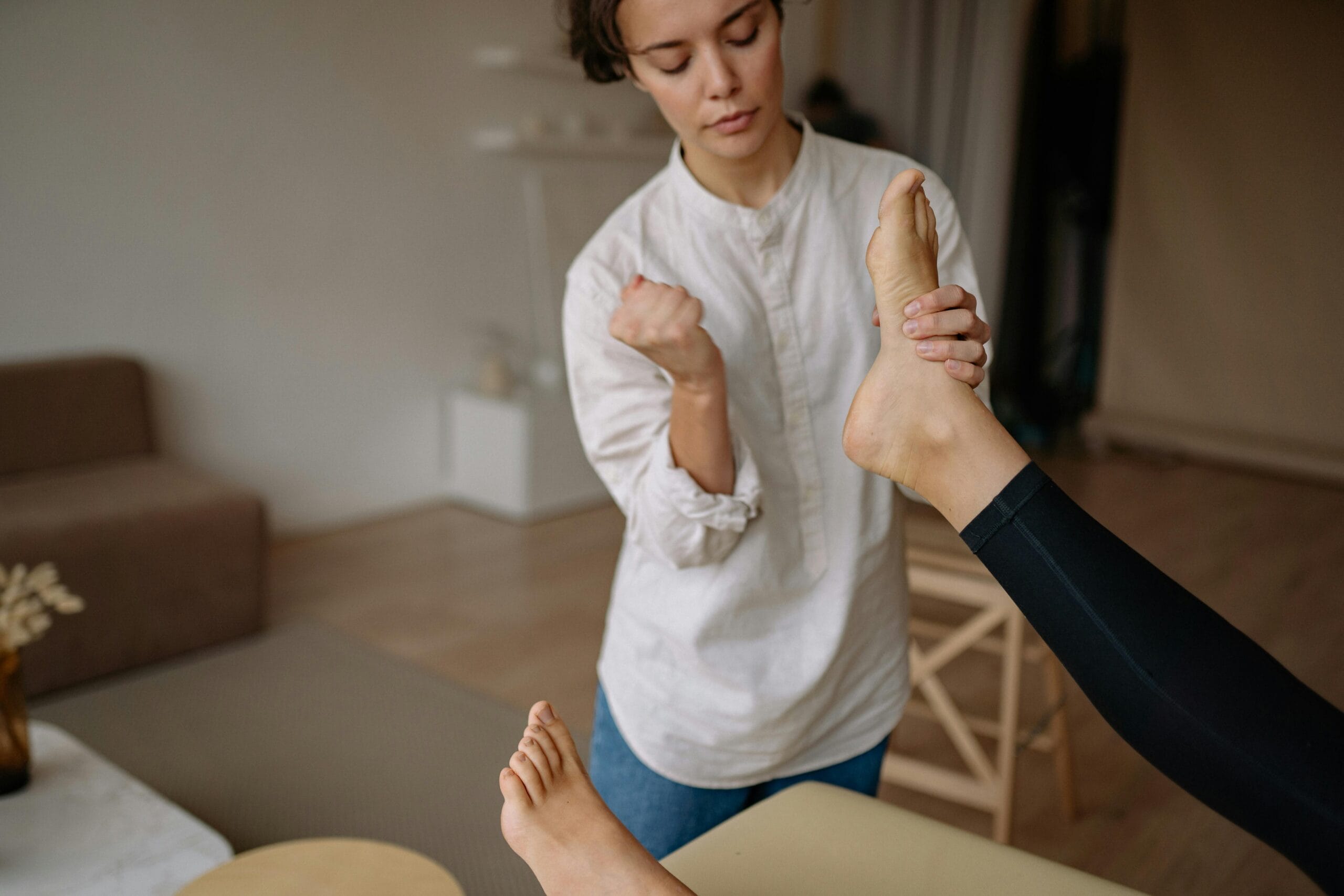
Progressive muscle relaxation is another effective natural calm technique that involves tensing and relaxing different muscle groups in your body. This technique can help reduce physical tension and promote relaxation. To practice progressive muscle relaxation, start by finding a comfortable and quiet space to sit or lie down, then tense and relax each major muscle group in your body, starting with your toes and moving up to your head.
Progressive muscle relaxation can be practiced in a variety of settings, from the comfort of your own home to a therapist’s office. This technique is especially helpful for individuals who experience physical symptoms of anxiety, such as tension headaches or muscle pain. By teaching individuals how to release physical tension, progressive muscle relaxation can help reduce symptoms of anxiety and promote overall well-being.
- Step 1: Find a comfortable and quiet space to sit or lie down
- Step 2: Tense the muscles in your toes for 5-10 seconds
- Step 3: Release the tension in your toes and move up to the next muscle group, tensing and relaxing each group in turn
Mindfulness Meditation
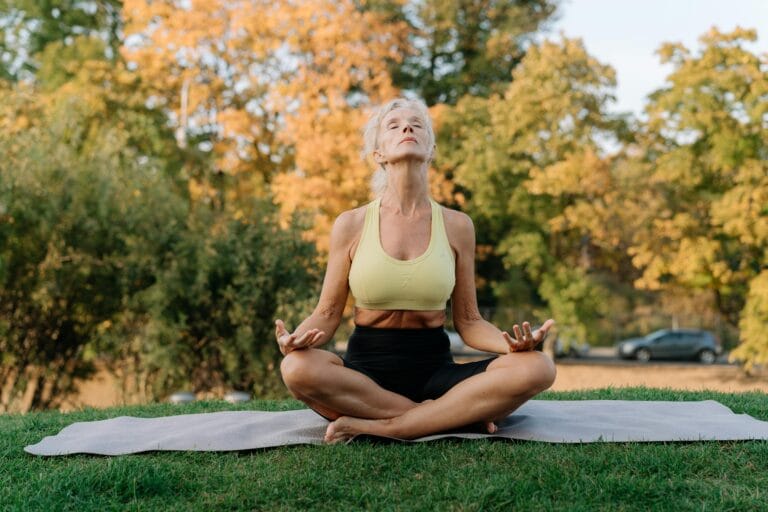
Mindfulness meditation is a natural calm technique that involves focusing your attention on the present moment, without judgment or distraction. This technique can help reduce symptoms of anxiety and depression, improve sleep, and enhance overall well-being. To practice mindfulness meditation, start by finding a comfortable and quiet space to sit, then focus your attention on your breath, a mantra, or a physical sensation in your body.
Mindfulness meditation can be practiced in a variety of settings, from the comfort of your own home to a therapist’s office. This technique is especially helpful for individuals who experience racing thoughts or difficulty concentrating. By teaching individuals how to focus their attention and calm their minds, mindfulness meditation can help reduce symptoms of anxiety and promote overall well-being.
Getting Started with Mindfulness Meditation
To get started with mindfulness meditation, find a comfortable and quiet space to sit, either on a chair or on a cushion on the floor. Close your eyes and focus your attention on your breath, feeling the sensation of the air moving in and out of your body. When your mind wanders, gently bring your attention back to your breath, without judgment or distraction.
Frequently Asked Questions
Question 1: What is the best natural calm technique for anxiety?
The best natural calm technique for anxiety is often a matter of personal preference. However, breathing techniques, such as diaphragmatic breathing, are often recommended as a starting point.
Question 2: Can natural calm techniques be used in conjunction with therapy?
Yes, natural calm techniques can be used in conjunction with therapy to enhance their effectiveness. Many therapists recommend natural calm techniques as a complement to traditional talk therapy.
Question 3: How long does it take to see results from natural calm techniques?
The amount of time it takes to see results from natural calm techniques can vary depending on the individual and the technique being used. However, many people experience a sense of calm and relaxation within a few minutes of practicing a natural calm technique.
Question 4: Can natural calm techniques be practiced anywhere?
Yes, natural calm techniques can be practiced anywhere, from the comfort of your own home to a therapist’s office. Many natural calm techniques can even be practiced in public, such as on a bus or in a park.
Question 5: Are natural calm techniques safe for everyone?
Natural calm techniques are generally safe for everyone, but it’s always a good idea to consult with a healthcare professional before starting a new practice, especially if you have any underlying medical conditions.
Key Takeaways
In conclusion, natural calm techniques are a powerful tool for managing anxiety and stress. By incorporating breathing techniques, progressive muscle relaxation, and mindfulness meditation into your daily routine, you can reduce symptoms of anxiety and promote overall well-being.
- Practice diaphragmatic breathing to calm your mind and body
- Use progressive muscle relaxation to release physical tension
- Try mindfulness meditation to focus your attention and reduce symptoms of anxiety
- Consult with a healthcare professional before starting a new practice
- Be patient and consistent when practicing natural calm techniques
If you’re struggling with anxiety or stress, consider reaching out to a mental health professional for support. With the right tools and techniques, you can learn to manage your anxiety and live a happier, healthier life. Remember, natural calm techniques are just one part of a comprehensive approach to mental health, and seeking help is always the first step towards healing.
By incorporating natural calm techniques into your daily routine, you can take the first step towards a calmer, more peaceful you. So why wait? Start exploring the world of natural calm techniques today and discover a more relaxed, more resilient you.
Resources
- National Alliance on Mental Illness (NAMI) Helpline: 1-800-950-6264 (Monday – Friday, 10am – 6pm EST)
- Crisis Text Line: Text “HOME” to 741741 (24/7 free, confidential support)
- Anxiety and Depression Association of America (ADAA): [www.adaa.org](http://www.adaa.org)
- Mental Health America (MHA): [www.mhanational.org](http://www.mhanational.org)
Disclaimer: This article is for informational purposes only and does not constitute medical advice. Always consult with qualified healthcare professionals for diagnosis and treatment of anxiety disorders.