Did you know that approximately 75% of doctor’s visits are related to stress? Incorporating simple vagus nerve exercises into your daily routine can be a game-changer for instant stress relief. The vagus nerve, often referred to as the “wanderer,” plays a crucial role in regulating our body’s response to stress. By stimulating the vagus nerve, individuals can experience a sense of calm and relaxation. In this article, we will delve into the world of vagus nerve exercises and explore how they can provide instant stress relief.
The vagus nerve is a complex system that affects various aspects of our health, including our mental well-being. By understanding how to stimulate the vagus nerve, individuals can take the first step towards managing stress and anxiety. Throughout this article, we will discuss various vagus nerve exercises that can be easily incorporated into your daily routine. Whether you’re looking for a quick fix or a long-term solution, these exercises are designed to provide instant stress relief and promote overall well-being.
As we explore the world of vagus nerve exercises, it’s essential to remember that everyone’s experience with stress is unique. Therefore, it’s crucial to find the exercises that work best for you and your lifestyle. In the following sections, we will discuss various techniques, from breathing exercises to physical activities, that can help stimulate the vagus nerve and provide instant stress relief.
Understanding the Vagus Nerve and Its Role in Stress Relief
The vagus nerve is a vital component of our parasympathetic nervous system, responsible for regulating our body’s response to stress. When the vagus nerve is stimulated, it can help calm the mind and body, reducing feelings of anxiety and stress. By understanding the vagus nerve’s role in stress relief, individuals can better appreciate the importance of incorporating vagus nerve exercises into their daily routine.
Research has shown that the vagus nerve plays a crucial role in regulating our emotional response to stress. By stimulating the vagus nerve, individuals can experience a sense of calm and relaxation, reducing the risk of anxiety and depression. In the next section, we will explore some simple vagus nerve exercises that can be used to stimulate the vagus nerve and provide instant stress relief.
How the Vagus Nerve Responds to Stress
When we experience stress, our body’s “fight or flight” response is triggered, causing the vagus nerve to become less active. This can lead to an increase in heart rate, blood pressure, and respiration. By stimulating the vagus nerve, individuals can help counteract the effects of stress and promote relaxation.
- Reduced heart rate: Stimulating the vagus nerve can help slow down the heart rate, promoting relaxation and reducing stress.
- Lower blood pressure: The vagus nerve plays a crucial role in regulating blood pressure, and stimulating it can help lower blood pressure and reduce the risk of cardiovascular disease.
- Improved respiration: The vagus nerve helps regulate breathing, and stimulating it can help promote deeper, more relaxed breathing.
Simple Vagus Nerve Exercises for Instant Stress Relief
One of the most effective ways to stimulate the vagus nerve is through breathing exercises. Deep, slow breathing can help calm the mind and body, reducing feelings of anxiety and stress. In this section, we will explore some simple vagus nerve exercises that can be used to provide instant stress relief.
- Diaphragmatic breathing: Also known as belly breathing, this technique involves breathing deeply into the diaphragm, rather than shallowly into the chest. To practice diaphragmatic breathing, sit comfortably with your back straight, place one hand on your belly and the other on your chest, and breathe in slowly through your nose, allowing your belly to rise as your diaphragm descends.
- 4-7-8 breathing: This technique involves breathing in through the nose for a count of four, holding the breath for a count of seven, and exhaling through the mouth for a count of eight. This can help slow down the heart rate and promote relaxation.
- Box breathing: This technique involves breathing in for a count of four, holding the breath for a count of four, exhaling for a count of four, and holding the breath again for a count of four. This can help calm the mind and body, reducing feelings of anxiety and stress.
These breathing exercises can be practiced anywhere, at any time, making them a convenient and effective way to stimulate the vagus nerve and provide instant stress relief.
The Role of Physical Activity in Vagus Nerve Stimulation
Physical activity is another effective way to stimulate the vagus nerve and provide instant stress relief. Exercise can help reduce stress and anxiety by releasing endorphins, also known as “feel-good” hormones. In this section, we will explore some physical activities that can be used to stimulate the vagus nerve and promote relaxation.
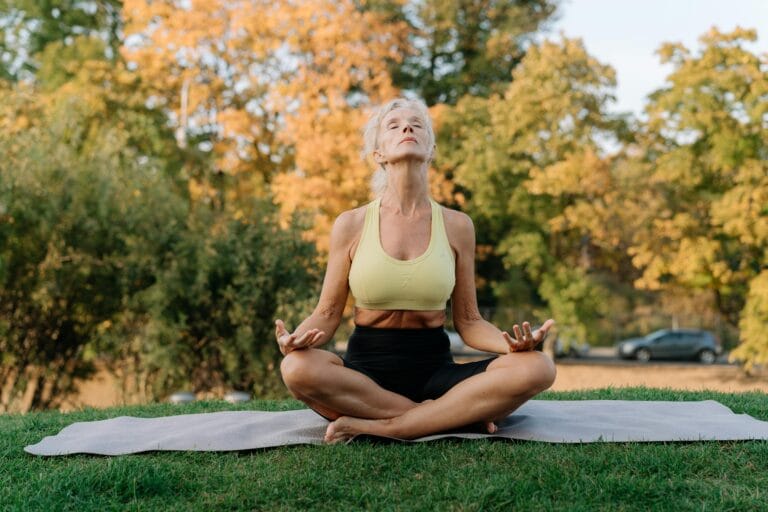
Yoga, in particular, is an excellent way to stimulate the vagus nerve and promote relaxation. The combination of physical postures, breathing techniques, and meditation can help calm the mind and body, reducing feelings of anxiety and stress.
Yoga Poses for Vagus Nerve Stimulation
Certain yoga poses can help stimulate the vagus nerve and promote relaxation. Some of the most effective poses include:
- Child’s pose: This pose involves kneeling on the ground and stretching forward, allowing the forehead to touch the ground. This can help stimulate the vagus nerve and promote relaxation.
- Downward-facing dog: This pose involves starting on all fours and lifting the hips up and back, creating an inverted V shape. This can help stretch the neck and throat, stimulating the vagus nerve.
- Legs up the wall pose: This pose involves lying on the ground with the legs up against a wall, allowing the body to relax and the vagus nerve to be stimulated.
Other Vagus Nerve Exercises for Instant Stress Relief
In addition to breathing exercises and physical activity, there are several other vagus nerve exercises that can be used to provide instant stress relief. These include:
- Meditation: Meditation can help calm the mind and body, reducing feelings of anxiety and stress. By focusing on the breath or a mantra, individuals can help stimulate the vagus nerve and promote relaxation.
- Progressive muscle relaxation: This technique involves tensing and relaxing different muscle groups in the body, starting with the toes and moving up to the head. This can help reduce physical tension and promote relaxation.
- Grounding techniques: Grounding techniques involve focusing on the five senses to bring the mind back to the present moment. This can help reduce feelings of anxiety and stress, promoting relaxation and calm.
These exercises can be practiced in combination with breathing exercises and physical activity to provide a comprehensive approach to vagus nerve stimulation and stress relief.
Benefits of Vagus Nerve Exercises for Stress Relief
The benefits of vagus nerve exercises for stress relief are numerous. By stimulating the vagus nerve, individuals can experience a range of benefits, including:
- Reduced stress and anxiety: Vagus nerve exercises can help calm the mind and body, reducing feelings of anxiety and stress.
- Improved mood: The release of endorphins during vagus nerve exercises can help improve mood and reduce symptoms of depression.
- Improved sleep: Vagus nerve exercises can help promote relaxation and improve sleep quality, reducing the risk of sleep disorders.
By incorporating vagus nerve exercises into your daily routine, you can experience these benefits and improve your overall well-being.
How to Incorporate Vagus Nerve Exercises into Your Daily Routine
Incorporating vagus nerve exercises into your daily routine can be simple and convenient. Here are some tips to get you started:
- Start small: Begin with short exercises, such as deep breathing or meditation, and gradually increase the duration as you become more comfortable with the practice.
- Find a quiet space: Identify a quiet, comfortable space where you can practice vagus nerve exercises without distractions.
- Make it a habit: Incorporate vagus nerve exercises into your daily routine, such as right after waking up or before bed, to make it a consistent habit.
By following these tips, you can easily incorporate vagus nerve exercises into your daily routine and experience the benefits of reduced stress and anxiety.
Frequently Asked Questions
What is the vagus nerve and how does it relate to stress relief?
The vagus nerve is a complex system that affects various aspects of our health, including our mental well-being. By stimulating the vagus nerve, individuals can experience a sense of calm and relaxation, reducing feelings of anxiety and stress.
How often should I practice vagus nerve exercises for instant stress relief?
It’s recommended to practice vagus nerve exercises regularly, ideally 2-3 times a day, to experience the benefits of reduced stress and anxiety.
Can vagus nerve exercises be used in combination with other stress relief techniques?
Yes, vagus nerve exercises can be used in combination with other stress relief techniques, such as meditation, yoga, or progressive muscle relaxation, to provide a comprehensive approach to stress relief.
Are vagus nerve exercises suitable for everyone?
Vagus nerve exercises are generally suitable for everyone, but it’s essential to consult with a healthcare professional before starting any new exercise routine, especially if you have any underlying medical conditions.
How long does it take to experience the benefits of vagus nerve exercises?
The benefits of vagus nerve exercises can be experienced immediately, but consistent practice is recommended to experience long-term benefits.
Key Takeaways
In conclusion, vagus nerve exercises are a simple and effective way to provide instant stress relief. By stimulating the vagus nerve, individuals can experience a sense of calm and relaxation, reducing feelings of anxiety and stress.
- Understanding the vagus nerve and its role in stress relief is essential for effective vagus nerve stimulation.
- Simple vagus nerve exercises, such as deep breathing and physical activity, can be used to stimulate the vagus nerve and provide instant stress relief.
- Vagus nerve exercises can be incorporated into your daily routine to provide a comprehensive approach to stress relief.
- Consistent practice is recommended to experience long-term benefits.
- Vagus nerve exercises are generally suitable for everyone, but it’s essential to consult with a healthcare professional before starting any new exercise routine.
If you’re struggling with stress and anxiety, consider incorporating vagus nerve exercises into your daily routine. With consistent practice, you can experience the benefits of reduced stress and anxiety, improved mood, and improved sleep. Remember, vagus nerve exercises are a simple and effective way to take control of your mental health and well-being.
For more information on vagus nerve exercises and stress relief, consult with a healthcare professional or explore reputable online resources. Take the first step towards a healthier, happier you, and start practicing vagus nerve exercises today.
Resources
- SAMHSA National Helpline: 1-800-662-4357 (24/7 free, confidential support)
- National Institute of Mental Health (NIMH): A trusted online resource for mental health information and research.
- Crisis Text Line: Text HOME to 741741 (24/7 free, confidential support)
- Local mental health resources: Consult with your healthcare provider or search online for local mental health resources and support groups.
Disclaimer: This article is for informational purposes only and does not constitute medical advice. Always consult with qualified healthcare professionals for diagnosis and treatment of substance use disorders.