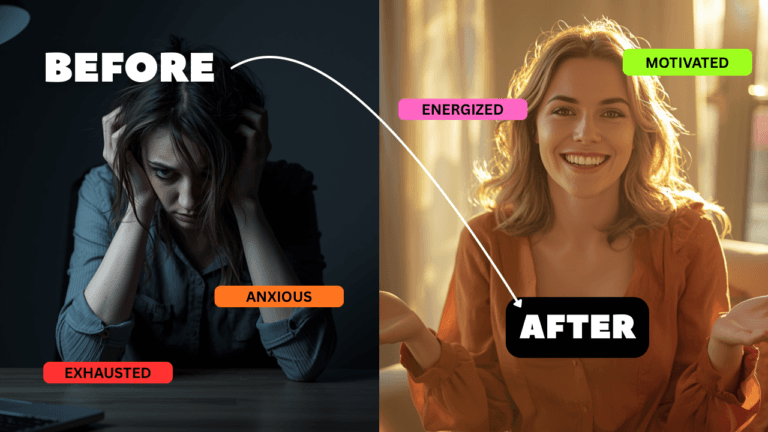

Are you among the millions of people worldwide who experience anxiety, with over 40 million adults in the United States alone suffering from an anxiety disorder? If so, you’re likely searching for effective ways to manage your symptoms and improve your mental well-being. One promising approach is incorporating adaptogens for anxiety into your daily routine. In this beginner’s guide, we’ll explore what adaptogens are, how they can help with anxiety, and the best adaptogens for anxiety relief.
Adaptogens are natural substances that help your body adapt to stress, promoting balance and resilience. They’ve been used in traditional medicine for centuries, particularly in Ayurvedic and Chinese practices. By understanding how adaptogens work and which ones are best for anxiety, you can take the first step towards a more balanced and peaceful life. Throughout this article, we’ll delve into the world of adaptogens for anxiety, covering topics from their benefits and types to how to incorporate them into your daily life.
Whether you’re looking for a natural alternative to traditional anxiety treatments or seeking to complement your existing therapy, adaptogens offer a promising solution. With their ability to reduce stress, promote relaxation, and enhance mood, it’s no wonder why adaptogens are gaining popularity in the mental health community. So, let’s dive into the world of adaptogens for anxiety and discover how they can help you achieve a more balanced and fulfilling life.
What Are Adaptogens and How Do They Work for Anxiety?
Adaptogens are non-toxic, plant-based substances that help your body respond to stress. They work by interacting with your body’s stress response system, known as the hypothalamic-pituitary-adrenal (HPA) axis. By regulating the HPA axis, adaptogens can help reduce anxiety symptoms such as a racing heart, sweaty palms, and a sense of overwhelm.
Adaptogens can be found in various forms, including herbs, roots, and mushrooms. They’re often consumed as supplements, teas, or added to food and beverages. Some of the most well-known adaptogens for anxiety include ashwagandha, rhodiola, and ginseng. These natural substances have been shown to have a positive impact on anxiety symptoms, making them a popular choice for those seeking a more holistic approach to mental health.
How Adaptogens Interact with the Body
When adaptogens enter the body, they interact with various physiological systems, including the nervous, endocrine, and immune systems. This interaction helps to regulate stress hormones, such as cortisol, and promote a sense of balance and well-being. By reducing stress and anxiety, adaptogens can also have a positive impact on overall health, including sleep quality, digestion, and immune function.
- Reduced stress hormones: Adaptogens help regulate cortisol and other stress hormones, leading to a decrease in anxiety symptoms.
- Improved mood: Adaptogens can increase the production of neurotransmitters such as serotonin and dopamine, which help regulate mood and reduce anxiety.
- Enhanced cognitive function: Adaptogens can improve focus, concentration, and mental clarity, making it easier to manage anxiety and stay on top of daily tasks.
Top Adaptogens for Anxiety Relief
With so many adaptogens available, it can be overwhelming to choose the right one for anxiety relief. Here are some of the most effective adaptogens for anxiety, along with their benefits and recommended dosages.
- Ashwagandha: 300-500 mg per day, ashwagandha is an adaptogenic herb that reduces stress and anxiety by regulating cortisol levels.
- Rhodiola: 100-200 mg per day, rhodiola is an adaptogenic plant that improves mood, reduces stress, and enhances mental performance.
- Ginseng: 400-800 mg per day, ginseng is an adaptogenic root that improves energy, reduces fatigue, and enhances cognitive function.
When choosing an adaptogen for anxiety, it’s essential to consider your individual needs and health status. Consult with a healthcare professional before adding any new supplements to your routine, especially if you’re taking medications or have underlying health conditions.
How to Incorporate Adaptogens into Your Daily Life
Incorporating adaptogens into your daily routine can be simple and convenient. Here are some tips for getting started:
Start by choosing an adaptogen that resonates with you, whether it’s ashwagandha, rhodiola, or another herb. You can consume adaptogens in various forms, including capsules, teas, or powders. Begin with a low dosage and gradually increase as needed, while monitoring your body’s response.
Adaptogen Tea Recipes
One of the most enjoyable ways to consume adaptogens is by making tea. Here are some simple recipes to get you started:
- Ashwagandha tea: Steep 1 teaspoon of ashwagandha root in 8 oz of boiling water for 5-7 minutes.
- Rhodiola tea: Steep 1 teaspoon of rhodiola root in 8 oz of boiling water for 5-7 minutes.
- Ginseng tea: Steep 1 teaspoon of ginseng root in 8 oz of boiling water for 5-7 minutes.
Benefits of Adaptogens for Anxiety
The benefits of adaptogens for anxiety are numerous and well-documented. By incorporating adaptogens into your daily routine, you can experience:
Reduced anxiety symptoms, such as a racing heart and sweaty palms. Improved mood and reduced stress levels. Enhanced cognitive function, including improved focus and concentration. Better sleep quality and duration. Increased energy and reduced fatigue.
Scientific Studies on Adaptogens
Several scientific studies have investigated the effects of adaptogens on anxiety. A 2018 study published in the Journal of Alternative and Complementary Medicine found that ashwagandha significantly reduced anxiety symptoms in individuals with chronic stress. Another study published in 2020 in the Journal of Affective Disorders found that rhodiola improved mood and reduced stress in individuals with depression.
Precautions and Interactions
While adaptogens are generally considered safe, there are some precautions and interactions to be aware of. Adaptogens can interact with certain medications, such as blood thinners and diabetes medications. They can also exacerbate certain health conditions, such as high blood pressure and thyroid disorders.
It’s essential to consult with a healthcare professional before adding adaptogens to your routine, especially if you’re taking medications or have underlying health conditions. They can help you determine the best adaptogen for your needs and ensure safe usage.
Combining Adaptogens with Other Therapies
Adaptogens can be used in conjunction with other therapies, such as meditation, yoga, and cognitive-behavioral therapy (CBT). By combining adaptogens with these therapies, you can enhance their benefits and achieve greater anxiety relief.
For example, ashwagandha can be used to reduce stress and anxiety before a meditation or yoga practice. Rhodiola can be used to improve mood and focus during a CBT session. By experimenting with different combinations, you can find what works best for you and achieve optimal results.
Frequently Asked Questions
Question 1: What is the best adaptogen for anxiety?
Ashwagandha is often considered one of the best adaptogens for anxiety due to its ability to reduce stress and anxiety symptoms.
Question 2: Can I take adaptogens with prescription medications?
It’s essential to consult with a healthcare professional before taking adaptogens with prescription medications, as they can interact with certain medications.
Question 3: How long does it take to feel the effects of adaptogens?
The effects of adaptogens can vary depending on the individual and the specific adaptogen being used. Some people may feel the effects within a few days, while others may take several weeks to notice a difference.
Question 4: Can I use adaptogens for anxiety if I’m pregnant or breastfeeding?
It’s essential to consult with a healthcare professional before using adaptogens during pregnancy or breastfeeding, as some adaptogens may not be safe for use during these times.
Question 5: Are adaptogens addictive?
Adaptogens are not addictive and can be safely used for extended periods. However, it’s essential to follow the recommended dosage and consult with a healthcare professional if you have any concerns.
Key Takeaways
In conclusion, adaptogens offer a natural and effective way to manage anxiety symptoms. By understanding how adaptogens work and which ones are best for anxiety, you can take the first step towards a more balanced and peaceful life.
- Ashwagandha, rhodiola, and ginseng are some of the most effective adaptogens for anxiety relief.
- Adaptogens can be consumed in various forms, including capsules, teas, and powders.
- It’s essential to consult with a healthcare professional before adding adaptogens to your routine, especially if you’re taking medications or have underlying health conditions.
- Adaptogens can be used in conjunction with other therapies, such as meditation, yoga, and CBT.
- Always follow the recommended dosage and start with a low dosage to monitor your body’s response.
If you’re struggling with anxiety, consider consulting with a healthcare professional about incorporating adaptogens into your treatment plan. With their guidance, you can find the best adaptogen for your needs and start experiencing the benefits of reduced anxiety and improved mental well-being. Remember, anxiety is a treatable condition, and there is hope for a more peaceful and fulfilling life with the help of adaptogens for anxiety.
By taking the first step towards anxiety relief with adaptogens, you’re taking a powerful step towards reclaiming your mental health and well-being. So, start your journey today and discover the transformative power of adaptogens for anxiety.
Resources
- SAMHSA National Helpline: 1-800-662-4357 (24/7 free, confidential support)
- National Alliance on Mental Illness (NAMI) Helpline: 1-800-950-6264 (Monday-Friday, 10am-6pm ET)
- Crisis Text Line: Text “HOME” to 741741 (24/7 free, confidential support)
- Anxiety and Depression Association of America (ADAA): [www.adaa.org](http://www.adaa.org) (online resources and support)
Disclaimer: This article is for informational purposes only and does not constitute medical advice. Always consult with qualified healthcare professionals for diagnosis and treatment of anxiety disorders.