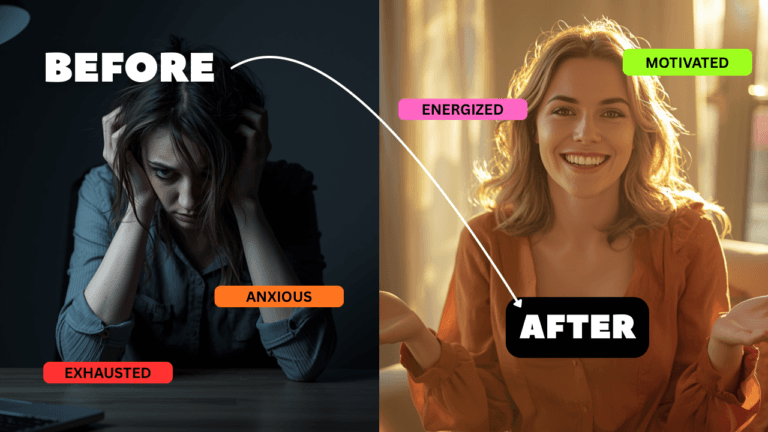

Did you know that approximately 280 million people worldwide suffer from depression, making it a leading cause of disability? Treating depression at home using natural methods can be an effective way to manage symptoms and improve mental health. Natural ways to treat depression at home include lifestyle changes, dietary modifications, and stress-reducing techniques. In this article, we will explore the best natural ways to treat depression at home, providing you with actionable tips and strategies to help you cope with depression.
First, it’s essential to understand that while natural remedies can be beneficial, they should not replace medical treatment. If you’re experiencing severe symptoms of depression, it’s crucial to consult with a healthcare professional for proper diagnosis and treatment. However, for mild to moderate depression, natural methods can be a complementary approach to improve your mental well-being. Throughout this article, we will discuss various natural ways to treat depression, including dietary changes, exercise, and mindfulness techniques.
Therefore, let’s dive into the world of natural depression treatment and explore the best ways to manage symptoms at home. We will cover topics such as nutrition, exercise, stress management, and sleep hygiene, providing you with a comprehensive guide to natural depression treatment. By the end of this article, you will have a better understanding of how to treat depression naturally and effectively.
Nutrition and Depression: The Importance of a Balanced Diet
A healthy diet is essential for maintaining good mental health. A person with depression can benefit from a balanced diet rich in whole foods, fruits, vegetables, and lean proteins. Foods high in omega-3 fatty acids, such as salmon and walnuts, can help reduce inflammation and improve mood. Additionally, complex carbohydrates like whole grains and legumes can help regulate blood sugar levels and provide a feeling of fullness and satisfaction.
Furthermore, certain nutrients like vitamin D, magnesium, and iron play a crucial role in mood regulation. Vitamin D deficiency has been linked to depression, and supplementing with vitamin D can help alleviate symptoms. Magnesium and iron are also essential for brain function and can help reduce symptoms of depression. A well-balanced diet that includes these nutrients can help support mental health and reduce symptoms of depression.
Foods to Include in Your Diet
- Leafy Greens: Rich in folate, which helps regulate mood
- Berries: High in antioxidants and fiber, which can help reduce inflammation
- Fatty Fish: Rich in omega-3 fatty acids, which can help reduce inflammation and improve mood
Exercise and Depression: The Benefits of Physical Activity
Regular exercise is a natural way to reduce symptoms of depression. Exercise releases endorphins, which are chemicals in the brain that act as natural painkillers and mood elevators. Additionally, exercise can help reduce stress and anxiety, improve sleep quality, and increase self-esteem. A person with depression can benefit from engaging in physical activities like walking, jogging, cycling, or swimming for at least 30 minutes a day.
- Start Small: Begin with short walks or light stretching exercises and gradually increase intensity and duration
- Find an Exercise Buddy: Exercising with a friend or family member can help increase motivation and accountability
- Make it Fun: Engage in physical activities that bring you joy, such as dancing or hiking
Therefore, incorporating exercise into your daily routine can have a significant impact on reducing symptoms of depression. By finding an exercise routine that works for you and making it a priority, you can improve your mental health and overall well-being.
Stress Management and Depression: The Importance of Relaxation Techniques
Stress can exacerbate symptoms of depression, making it essential to develop effective stress management techniques. Relaxation techniques like meditation, deep breathing, and yoga can help reduce stress and anxiety, improve mood, and enhance overall well-being. A person with depression can benefit from practicing relaxation techniques regularly, ideally for at least 10-15 minutes a day.
Additionally, mindfulness techniques like mindfulness meditation and mindful breathing can help increase self-awareness, reduce rumination, and improve emotional regulation. By incorporating relaxation techniques into your daily routine, you can better manage stress and reduce symptoms of depression.
Relaxation Techniques to Try
- Meditation: Focus on your breath, a mantra, or a guided meditation to calm your mind
- Deep Breathing: Practice slow, deep breaths to reduce stress and anxiety
- Yoga: Combine physical movement with deep breathing and meditation to reduce stress and improve mood
Sleep Hygiene and Depression: The Importance of Quality Sleep
Sleep plays a crucial role in mental health, and poor sleep quality can exacerbate symptoms of depression. Establishing a consistent sleep schedule, creating a relaxing bedtime routine, and optimizing your sleep environment can help improve sleep quality. A person with depression can benefit from aiming for 7-8 hours of sleep per night and avoiding stimulating activities before bedtime.
Furthermore, avoiding caffeine, nicotine, and electronics before bedtime can help improve sleep quality. Creating a sleep-conducive environment, such as keeping the room cool, dark, and quiet, can also help improve sleep quality. By prioritizing sleep and establishing healthy sleep habits, you can better manage symptoms of depression.
Social Support and Depression: The Importance of Human Connection
Social support is essential for mental health, and people with depression can benefit from connecting with friends, family, and support groups. Social support can provide emotional support, practical help, and a sense of belonging, which can help reduce symptoms of depression. A person with depression can benefit from joining a support group, volunteering, or engaging in social activities that bring them joy.
Additionally, online communities and forums can provide a sense of connection and support for people with depression. Reaching out to a mental health professional or a crisis helpline can also provide immediate support and guidance. By building a strong social support network, you can better manage symptoms of depression and improve your overall well-being.
Cognitive-Behavioral Therapy (CBT) and Depression: A Natural Approach to Therapy
Cognitive-behavioral therapy (CBT) is a natural, non-invasive approach to therapy that can help people with depression manage symptoms and improve mental health. CBT focuses on identifying and changing negative thought patterns and behaviors that contribute to depression. A person with depression can benefit from working with a therapist to develop coping skills, challenge negative thoughts, and improve problem-solving abilities.
Additionally, online CBT resources and self-help books can provide a convenient and accessible way to engage in therapy. By learning CBT techniques and practicing them regularly, you can develop the skills and strategies needed to manage symptoms of depression and improve your overall well-being.
Frequently Asked Questions
Question 1: What are the best natural ways to treat depression at home?
Natural ways to treat depression at home include lifestyle changes, dietary modifications, exercise, stress management, and social support. These approaches can help reduce symptoms of depression and improve overall well-being.
Question 2: Can natural remedies replace medical treatment for depression?
No, natural remedies should not replace medical treatment for depression. While natural approaches can be beneficial, they should be used in conjunction with medical treatment and under the guidance of a healthcare professional.
Question 3: How long does it take to see results from natural depression treatment?
The time it takes to see results from natural depression treatment can vary depending on the individual and the approach used. Some people may experience improvements in symptoms within a few weeks, while others may take several months to notice significant changes.
Question 4: Are natural depression treatments safe and effective?
Natural depression treatments can be safe and effective when used under the guidance of a healthcare professional. However, it’s essential to consult with a healthcare professional before starting any new treatment approach, especially if you’re taking medication or have a severe mental health condition.
Question 5: What are some common natural remedies for depression?
Common natural remedies for depression include omega-3 fatty acids, St. John’s Wort, and SAMe. However, it’s essential to consult with a healthcare professional before taking any supplements, as they can interact with medication or have side effects.
Key Takeaways
In conclusion, natural ways to treat depression at home can be a effective way to manage symptoms and improve mental health. By incorporating lifestyle changes, dietary modifications, exercise, stress management, and social support into your daily routine, you can reduce symptoms of depression and improve your overall well-being.
- Make lifestyle changes, such as exercising regularly and practicing stress management techniques
- Eat a balanced diet rich in whole foods, fruits, and vegetables
- Get enough sleep and establish a consistent sleep schedule
- Connect with friends, family, and support groups for social support
- Consider cognitive-behavioral therapy (CBT) as a natural approach to therapy
If you’re struggling with depression, it’s essential to seek help from a healthcare professional. Natural ways to treat depression at home can be a complementary approach to medical treatment, but they should not replace professional help. Remember, depression is a treatable condition, and with the right approach, you can manage symptoms and improve your mental health. Therefore, don’t hesitate to reach out for help, and start your journey towards a healthier, happier you.
Finally, natural ways to treat depression at home, such as lifestyle changes, dietary modifications, and stress management, can be a powerful tool in managing symptoms and improving mental health. By incorporating these approaches into your daily routine and seeking help from a healthcare professional when needed, you can take the first step towards a healthier, happier you and find natural ways to treat depression at home.
Resources
- SAMHSA National Helpline: 1-800-662-4357 (24/7 free, confidential support)
- National Alliance on Mental Illness (NAMI) Helpline: 1-800-950-6264 (Monday – Friday, 10am – 6pm EST)
- Crisis Text Line: Text “HOME” to 741741 (24/7 free, confidential support)
Disclaimer: This article is for informational purposes only and does not constitute medical advice. Always consult with qualified healthcare professionals for diagnosis and treatment of depression. Natural ways to treat depression at home should not replace medical treatment, but rather be used as a complementary approach under the guidance of a healthcare professional.