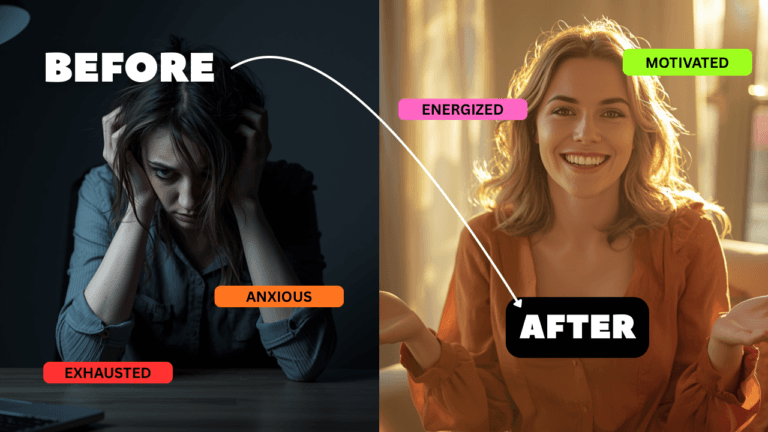

Depression affects millions of people worldwide, with over 280 million individuals experiencing depression, according to the World Health Organization. If you’re one of them, you might be wondering about the best natural ways to treat depression at home. Treating depression naturally can be an effective way to manage symptoms, and in this article, we’ll explore the various methods you can use to find relief, focusing on natural ways to treat depression.
Natural treatments for depression can range from lifestyle changes to dietary adjustments and mindfulness practices. Before we dive into these methods, it’s essential to understand that while natural treatments can be beneficial, they should not replace professional medical help. Always consult with a healthcare professional before starting any new treatment plan, especially if you’re experiencing severe symptoms of depression.
In the following sections, we’ll discuss the best natural ways to treat depression at home, including exercise, nutrition, and stress management techniques. These methods can help you take the first steps towards managing your symptoms and improving your mental health.
Natural Ways to Treat Depression: The Power of Exercise
Exercise is a natural mood booster that can help alleviate symptoms of depression. Regular physical activity releases endorphins, also known as “feel-good” hormones, which can improve your mood and reduce stress. Additionally, exercise can help you sleep better, which is essential for managing depression.
To incorporate exercise into your daily routine, start with small, achievable goals, such as taking a 10-minute walk each day. You can also try more intense workouts, like running or swimming, if you’re comfortable with them. Remember to listen to your body and only do what feels comfortable and enjoyable.
Getting Started with Exercise
If you’re new to exercise or haven’t been active in a while, it’s essential to start slowly. Begin with short sessions, like 10-15 minutes, and gradually increase the duration and intensity as you become more comfortable. You can also try following along with fitness videos or joining a local gym to find a workout routine that suits you.
- Start small: Begin with short, manageable sessions
- Find an activity you enjoy: Choose an exercise that brings you joy, whether it’s walking, dancing, or swimming
- Make it a habit: Incorporate exercise into your daily routine, so it becomes a consistent part of your life
Nutrition and Depression: The Importance of a Balanced Diet
A healthy diet plays a crucial role in managing depression. Certain foods, such as those high in sugar and processed ingredients, can exacerbate symptoms, while others, like leafy greens and omega-3 rich foods, can help alleviate them. A balanced diet that includes a variety of whole foods can help support your mental health.
- Eat a variety of whole foods: Focus on consuming a range of fruits, vegetables, whole grains, lean proteins, and healthy fats
- Include omega-3 rich foods: Foods high in omega-3 fatty acids, such as salmon and walnuts, can help reduce inflammation and improve mood
- Limit processed and sugary foods: Try to avoid or limit foods that can worsen depression symptoms, such as sugary snacks and processed meats
Stress Management Techniques for Depression
Stress can exacerbate symptoms of depression, making it essential to develop effective stress management techniques. Mindfulness practices, such as meditation and deep breathing, can help you stay present and focused, reducing feelings of overwhelm and anxiety.
To get started with mindfulness, try setting aside a few minutes each day to practice deep breathing exercises or guided meditation. You can find many free resources online, including apps and videos, to help you get started.
Introduction to Mindfulness
Mindfulness is the practice of being present in the moment, without judgment. It can help you develop a greater awareness of your thoughts and emotions, allowing you to better manage stress and anxiety. Regular mindfulness practice can also improve your sleep quality, which is essential for managing depression.
- Start with short sessions: Begin with short mindfulness sessions, like 5-10 minutes, and gradually increase the duration as you become more comfortable
- Find a quiet space: Identify a quiet, comfortable space where you can practice mindfulness without distractions
- Be consistent: Aim to practice mindfulness daily, even if it’s just for a few minutes
Sleep and Depression: The Importance of Restful Sleep
Sleep plays a critical role in managing depression. During sleep, your body repairs and regenerates itself, which can help alleviate symptoms of depression. Aim for 7-9 hours of sleep each night and establish a consistent sleep routine to improve the quality of your sleep.
To improve your sleep, try establishing a relaxing bedtime routine, such as reading a book or taking a warm bath. Avoid screens and electronic devices before bedtime, as the blue light they emit can interfere with your sleep.
Creating a Sleep-Conducive Environment
Your sleep environment can significantly impact the quality of your sleep. Make sure your bedroom is dark, quiet, and cool, and invest in a comfortable mattress and pillows. Avoid using your bedroom for activities other than sleep and relaxation, such as watching TV or working on your computer.
- Make your bedroom a sleep sanctuary: Create a sleep-conducive environment by ensuring your bedroom is dark, quiet, and cool
- Invest in a comfortable mattress: A supportive mattress can help improve the quality of your sleep
- Avoid screens before bedtime: Try to avoid screens for at least an hour before bedtime to improve your sleep
Connect with Nature to Improve Your Mental Health
Spending time in nature can have a profound impact on your mental health. Being outdoors can help reduce stress and anxiety, improve your mood, and even alleviate symptoms of depression. Try to spend at least 30 minutes outdoors each day, whether it’s walking in a park, hiking, or simply sitting in a garden or on a balcony with plants.
To incorporate nature into your daily routine, try starting small. Take a short walk around your neighborhood or sit outside with a cup of coffee or tea. As you become more comfortable, you can gradually increase the duration and intensity of your outdoor activities.
Getting Started with Outdoor Activities
If you’re new to outdoor activities or haven’t spent much time in nature, it’s essential to start slowly. Begin with short sessions, like 10-15 minutes, and gradually increase the duration as you become more comfortable. You can also try finding a local park or nature reserve to explore.
- Start small: Begin with short outdoor sessions, like 10-15 minutes, and gradually increase the duration
- Find a local park or nature reserve: Identify a nearby park or nature reserve where you can spend time outdoors
- Make it a habit: Incorporate outdoor activities into your daily routine, so they become a consistent part of your life
The Benefits of Social Support for Depression
Social support is crucial for managing depression. Connecting with friends, family, or a support group can help you feel less isolated and more supported. Try to stay in touch with loved ones, even if it’s just a phone call or text message, and consider joining a support group to connect with others who are going through similar experiences.
To build your social support network, try reaching out to a friend or family member you haven’t spoken to in a while. You can also try joining a local support group or online community to connect with others who are managing depression.
Building Your Social Support Network
Building a social support network takes time and effort, but it’s essential for managing depression. Try to stay connected with loved ones, and don’t be afraid to reach out for help when you need it. You can also try volunteering or joining a club or organization to meet new people and build relationships.
- Reach out to loved ones: Stay in touch with friends and family, even if it’s just a phone call or text message
- Join a support group: Connect with others who are managing depression to build relationships and find support
- Volunteer or join a club: Meet new people and build relationships by volunteering or joining a club or organization
Frequently Asked Questions
Question 1: What are the best natural ways to treat depression at home?
The best natural ways to treat depression at home include exercise, nutrition, stress management techniques, sleep, and social support. These methods can help alleviate symptoms of depression and improve your overall mental health.
Question 2: How can I get started with natural treatments for depression?
To get started with natural treatments for depression, begin by making small changes to your daily routine, such as incorporating exercise or mindfulness practices. Consult with a healthcare professional before starting any new treatment plan, especially if you’re experiencing severe symptoms of depression.
Question 3: What are some common myths about depression?
Common myths about depression include the idea that depression is a sign of weakness or that it’s something you can simply “snap out of.” Depression is a serious mental health condition that requires professional treatment and support.
Question 4: How can I find a therapist or support group for depression?
To find a therapist or support group for depression, try searching online or asking for referrals from your healthcare provider. You can also try contacting local mental health organizations or support groups to find resources in your area.
Question 5: What are some resources for managing depression?
Resources for managing depression include the National Alliance on Mental Illness (NAMI) hotline, the Substance Abuse and Mental Health Services Administration (SAMHSA) helpline, and online support groups. You can also try talking to a therapist or joining a local support group to connect with others who are managing depression.
Key Takeaways
In conclusion, natural ways to treat depression at home can be an effective way to manage symptoms and improve your mental health. Remember to always consult with a healthcare professional before starting any new treatment plan, especially if you’re experiencing severe symptoms of depression.
- Exercise regularly to release endorphins and improve your mood
- Eat a balanced diet that includes whole foods and omega-3 rich foods
- Practice stress management techniques, such as mindfulness and deep breathing
- Prioritize sleep and aim for 7-9 hours each night
- Connect with nature and build your social support network
If you or someone you know is struggling with depression, don’t hesitate to reach out for help. There are many resources available, including hotlines, support groups, and online communities. Remember that managing depression takes time and effort, but with the right support and treatment, it is possible to find relief and improve your mental health.
By incorporating natural ways to treat depression into your daily routine, you can take the first steps towards managing your symptoms and improving your overall well-being. Remember to be patient and compassionate with yourself, and don’t be afraid to seek help when you need it. With time and support, you can find hope and healing from depression.
Resources
- SAMHSA National Helpline: 1-800-662-4357 (24/7 free, confidential support)
- National Alliance on Mental Illness (NAMI) Helpline: 1-800-950-6264 (Monday-Friday, 10am-6pm EST)
- Crisis Text Line: Text “HOME” to 741741 (24/7 free, confidential support)
- Online Support Groups: Online communities and forums, such as the Depression and Bipolar Support Alliance (DBSA), can provide connection and support
Disclaimer: This article is for informational purposes only and does not constitute medical advice. Always consult with qualified healthcare professionals for diagnosis and treatment of depression. Remember that managing depression takes time and effort, but with the right support and treatment, it is possible to find relief and improve your mental health.