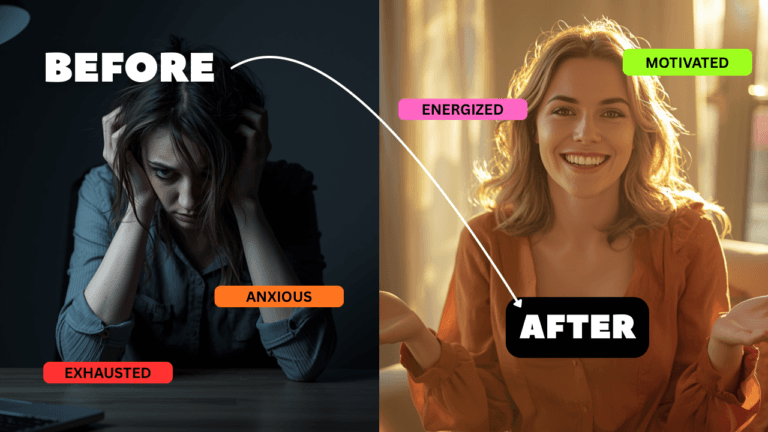

Emotional suppression, the act of consciously or unconsciously hiding one’s true feelings, affects approximately 75% of the population at some point in their lives, significantly impacting mental health. Emotional suppression involves pushing away or withholding emotions, rather than dealing with them in a healthy manner. In this article, we’ll delve into the world of emotional suppression, exploring what it is, its effects on mental health, and how individuals can overcome it.
Understanding emotional suppression is crucial, as it can have severe consequences on a person’s well-being. By recognizing the signs and symptoms, individuals can take the first step towards healing and recovery. Throughout this article, we’ll discuss the complexities of emotional suppression, providing actionable advice and strategies for managing emotions in a healthy way.
As we navigate the complexities of emotional suppression, it’s essential to approach the topic with compassion and empathy. By doing so, we can create a safe and supportive environment for individuals to explore their emotions and work towards a more balanced and fulfilling life. In the following sections, we’ll examine the effects of emotional suppression on mental health, discuss strategies for overcoming it, and provide resources for those seeking help.
What is Emotional Suppression and How Does it Work?
Emotional suppression is a coping mechanism that involves pushing away or hiding one’s true feelings. This can be done consciously, such as when an individual deliberately avoids discussing a sensitive topic, or unconsciously, as in the case of repressed memories. Emotional suppression can be triggered by various factors, including trauma, stress, or social pressures.
When an individual suppresses their emotions, they may experience a temporary sense of relief or avoidance of uncomfortable feelings. However, this coping mechanism can have severe long-term consequences, including increased anxiety, depression, and even physical health problems. It’s essential to understand that emotional suppression is not the same as emotional regulation, which involves managing emotions in a healthy and adaptive way.
Types of Emotional Suppression
There are several types of emotional suppression, including:
- Conscious suppression: deliberately hiding or avoiding emotions
- Unconscious suppression: repressing emotions without realizing it
- Emotional numbing: feeling disconnected from emotions or unable to experience them
The Effects of Emotional Suppression on Mental Health
Emotional suppression can have severe consequences on mental health, including increased symptoms of anxiety and depression. When individuals suppress their emotions, they may experience a buildup of emotional tension, leading to feelings of overwhelm and hopelessness. Additionally, emotional suppression can lead to difficulties in relationships, as individuals may struggle to communicate their emotions and needs effectively.
Research has shown that emotional suppression can also have physical health consequences, including a weakened immune system, cardiovascular disease, and even cancer. It’s essential to recognize the signs of emotional suppression, such as avoidance of emotional topics, difficulty expressing emotions, or feelings of numbness or disconnection.
- Recognize the signs: become aware of the physical and emotional symptoms of emotional suppression
- Seek support: talk to a therapist, trusted friend, or family member about your emotions
- Practice self-care: engage in activities that promote emotional regulation and well-being, such as exercise, meditation, or creative pursuits
Strategies for Overcoming Emotional Suppression
Overcoming emotional suppression requires a willingness to confront and express emotions in a healthy way. This can involve practicing self-compassion, challenging negative thought patterns, and developing emotional awareness. Individuals can also benefit from seeking support from mental health professionals, such as therapists or counselors.
One effective strategy for overcoming emotional suppression is mindfulness, which involves paying attention to the present moment without judgment. Mindfulness practices, such as meditation or deep breathing, can help individuals develop greater emotional awareness and regulation. Additionally, creative pursuits, such as writing, art, or music, can provide an outlet for emotional expression and processing.
Building Emotional Awareness
Building emotional awareness involves developing a greater understanding of one’s emotions, including their triggers, patterns, and consequences. This can be achieved through:
- Journaling: writing down emotions and thoughts to process and reflect on them
- Emotion-focused therapy: working with a therapist to identify and process emotions
- Self-reflection: taking time to reflect on emotions and experiences

The Role of Self-Compassion in Overcoming Emotional Suppression
Self-compassion plays a critical role in overcoming emotional suppression, as it involves treating oneself with kindness, understanding, and acceptance. When individuals practice self-compassion, they are more likely to feel comfortable expressing their emotions and vulnerabilities, rather than suppressing them. Self-compassion can be developed through practices such as mindfulness, self-care, and positive self-talk.
Research has shown that self-compassion can have a positive impact on mental health, including reduced symptoms of anxiety and depression. By cultivating self-compassion, individuals can develop a more positive and accepting relationship with themselves, leading to greater emotional regulation and well-being.
Emotional Suppression and Relationships
Emotional suppression can have a significant impact on relationships, as individuals may struggle to communicate their emotions and needs effectively. When emotions are suppressed, relationships can become strained or distant, leading to feelings of isolation and disconnection. It’s essential to recognize the importance of emotional expression in relationships and to develop healthy communication skills.
Healthy communication involves expressing emotions and needs in a clear and respectful manner. This can be achieved through active listening, empathy, and validation. By developing healthy communication skills, individuals can build stronger, more meaningful relationships and improve their overall emotional well-being.
Building Healthy Communication Skills
Building healthy communication skills involves:
- Active listening: paying attention to the other person without interrupting or judging
- Empathy: understanding and validating the other person’s emotions and experiences
- Validation: acknowledging and accepting the other person’s emotions and needs


Seeking Professional Help for Emotional Suppression
Seeking professional help is an essential step in overcoming emotional suppression. Mental health professionals, such as therapists or counselors, can provide individuals with the support and guidance they need to process and express their emotions in a healthy way. Therapy can involve a range of techniques, including cognitive-behavioral therapy, emotion-focused therapy, and mindfulness-based therapies.
When seeking professional help, it’s essential to find a therapist who is a good fit for your needs and preferences. This can involve researching different types of therapy, reading reviews, and scheduling consultations with potential therapists. By finding the right therapist, individuals can develop a safe and supportive environment for exploring their emotions and overcoming emotional suppression.
Frequently Asked Questions
Question 1: What is the difference between emotional suppression and emotional regulation?
Emotional suppression involves hiding or avoiding emotions, while emotional regulation involves managing emotions in a healthy and adaptive way.
Question 2: How can I recognize the signs of emotional suppression in myself or others?
Signs of emotional suppression include avoidance of emotional topics, difficulty expressing emotions, or feelings of numbness or disconnection.
Question 3: What are some effective strategies for overcoming emotional suppression?
Effective strategies include practicing self-compassion, challenging negative thought patterns, and developing emotional awareness through mindfulness, journaling, or therapy.
Question 4: How can I build healthy communication skills in my relationships?
Building healthy communication skills involves active listening, empathy, and validation, as well as expressing emotions and needs in a clear and respectful manner.
Question 5: What are some resources available for individuals seeking help for emotional suppression?
Resources include mental health professionals, such as therapists or counselors, as well as support groups and online resources.
Key Takeaways
In conclusion, emotional suppression is a complex and multifaceted issue that can have severe consequences on mental health. By recognizing the signs and symptoms, individuals can take the first step towards healing and recovery. Throughout this article, we’ve explored the effects of emotional suppression on mental health, discussed strategies for overcoming it, and provided resources for those seeking help.
- Emotional suppression can have severe consequences on mental health, including increased symptoms of anxiety and depression
- Strategies for overcoming emotional suppression include practicing self-compassion, challenging negative thought patterns, and developing emotional awareness
- Seeking professional help is an essential step in overcoming emotional suppression
- Building healthy communication skills is critical for developing strong, meaningful relationships
- Resources are available for individuals seeking help, including mental health professionals, support groups, and online resources
If you or someone you know is struggling with emotional suppression, it’s essential to seek help. By taking the first step towards healing and recovery, individuals can develop a more balanced and fulfilling life. Remember, emotional suppression is not a sign of weakness, but rather a sign of strength and resilience. By facing your emotions and seeking help, you can overcome emotional suppression and live a more authentic, meaningful life.
Emotional suppression is a common and treatable condition, and with the right support and resources, individuals can learn to manage their emotions in a healthy way. If you’re struggling with emotional suppression, don’t hesitate to reach out for help. Contact a mental health professional, support group, or online resource today and take the first step towards a more emotionally aware, compassionate, and fulfilling life.
Resources
- National Alliance on Mental Illness (NAMI) Helpline: 1-800-950-6264 (Monday – Friday, 10am – 6pm EST)
- Crisis Text Line: text “HOME” to 741741 (24/7 free, confidential support)
- American Psychological Association (APA) Psychologist Locator: a tool for finding licensed psychologists in your area
- Substance Abuse and Mental Health Services Administration (SAMHSA) Treatment Locator: a tool for finding mental health and substance abuse treatment facilities in your area
Disclaimer: This article is for informational purposes only and does not constitute medical advice. Always consult with qualified healthcare professionals for diagnosis and treatment of mental health conditions.