Did you know that approximately 70% of adults in the United States have experienced a traumatic event at some point in their lives? Understanding your Window of Tolerance, a concept introduced by Dr. Dan Siegel, is crucial for managing stress, regulating emotions, and maintaining overall well-being. The Window of Tolerance refers to the zone of optimal arousal where a person can function effectively, and it’s essential to recognize when you’re within or outside this window to take proactive steps towards recovery and resilience.
In this article, we’ll delve into the concept of the Window of Tolerance, exploring how it relates to your nervous system capacity, and provide you with practical strategies to widen your window and improve your emotional regulation. Whether you’re a person in recovery, experiencing anxiety or depression, or simply looking to enhance your mental health, this comprehensive guide will offer you valuable insights and actionable advice.
So, let’s begin our journey to understanding the Window of Tolerance and its significance in maintaining a healthy and balanced nervous system. By the end of this article, you’ll be equipped with the knowledge and tools necessary to take control of your emotional well-being and develop a more resilient you.
Introduction to the Window of Tolerance
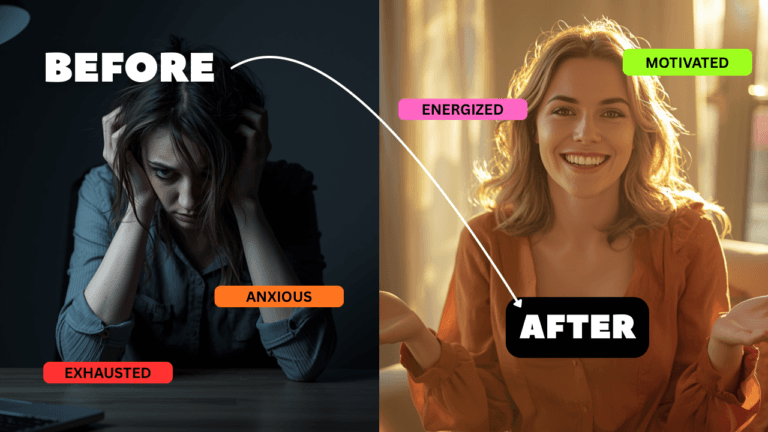
The Window of Tolerance is a dynamic range within which our nervous system can function optimally. When we’re within this window, we can process information, regulate emotions, and respond to situations effectively. However, when we exceed this window, we may experience hyperarousal (feeling overwhelmed) or hypoarousal (feeling numb or disconnected).
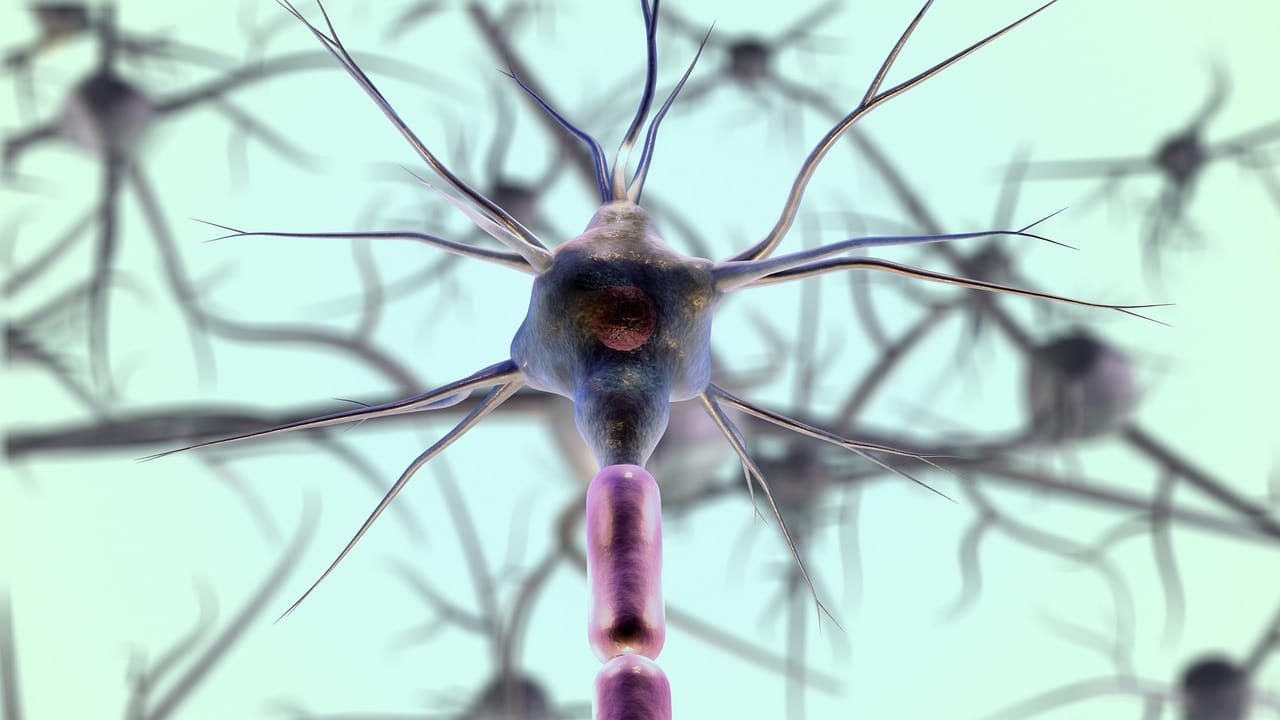
Understanding your Window of Tolerance is vital for recognizing when you need to take a step back, reassess your emotional state, and implement strategies to return to a state of balance and regulation. This concept is closely related to the idea of nervous system capacity, which refers to our ability to handle stress, process emotions, and adapt to changing situations.
Understanding Nervous System Capacity
Our nervous system capacity is influenced by a combination of genetic, environmental, and experiential factors. Trauma, stress, and adverse childhood experiences can all impact our nervous system capacity, making it more challenging to regulate emotions and respond to situations effectively. On the other hand, practices like mindfulness, self-care, and social connection can help expand our Window of Tolerance and enhance our nervous system capacity.
- Genetic factors: Our genetic predisposition can affect our nervous system capacity, with some individuals being more resilient to stress and trauma.
- Environmental factors: Our environment and life experiences, including trauma and stress, can shape our nervous system capacity and influence our Window of Tolerance.
- Experiential factors: Our experiences, including relationships, learning, and personal growth, can also impact our nervous system capacity and ability to regulate emotions.
Recognizing When You’re Outside Your Window of Tolerance
It’s essential to recognize when you’re outside your Window of Tolerance, as this can help you take proactive steps towards regulation and recovery. Common signs that you may be outside your Window of Tolerance include feeling overwhelmed, anxious, or depressed, as well as experiencing physical symptoms like tension, pain, or fatigue.
Additionally, you may notice changes in your behavior, such as becoming more reactive, irritable, or withdrawn. By acknowledging these signs and taking steps to return to your Window of Tolerance, you can reduce the risk of burnout, improve your relationships, and enhance your overall well-being.
Strategies for Widening Your Window of Tolerance
Fortunately, there are several strategies that can help you widen your Window of Tolerance and improve your emotional regulation. These include practices like mindfulness, self-compassion, and social connection, as well as techniques like deep breathing, progressive muscle relaxation, and physical exercise.
- Mindfulness: Practicing mindfulness can help you become more aware of your thoughts, emotions, and physical sensations, allowing you to better regulate your nervous system and respond to challenging situations.
- Self-compassion: Cultivating self-compassion can help you develop a more positive and supportive relationship with yourself, reducing self-criticism and increasing your ability to cope with stress and adversity.
- Social connection: Building and maintaining social connections can provide you with a sense of belonging, support, and validation, which can help expand your Window of Tolerance and enhance your emotional resilience.
The Role of Trauma in Shaping Your Window of Tolerance
Trauma can significantly impact your Window of Tolerance, making it more challenging to regulate emotions and respond to situations effectively. When we experience trauma, our nervous system can become stuck in a state of hyperarousal or hypoarousal, leading to difficulties in emotional regulation and increasing the risk of developing mental health conditions like anxiety, depression, or post-traumatic stress disorder (PTSD).
However, with the right support, resources, and therapies, it’s possible to heal from trauma and expand your Window of Tolerance. This may involve working with a therapist, practicing trauma-sensitive yoga or mindfulness, and engaging in creative activities that promote self-expression and emotional regulation.
Building Resilience and Expanding Your Window of Tolerance
Building resilience and expanding your Window of Tolerance requires a commitment to self-care, self-compassion, and personal growth. This involves developing a greater awareness of your thoughts, emotions, and physical sensations, as well as cultivating a more positive and supportive relationship with yourself.
Additionally, it’s essential to recognize the importance of social connection, community, and relationships in expanding your Window of Tolerance. By building a strong support network and engaging in activities that promote social connection and a sense of belonging, you can enhance your emotional resilience and improve your overall well-being.
Frequently Asked Questions
What is the Window of Tolerance, and how does it relate to my nervous system capacity?
The Window of Tolerance refers to the zone of optimal arousal where your nervous system can function effectively, and it’s closely related to your nervous system capacity, which refers to your ability to handle stress, process emotions, and adapt to changing situations.
How can I recognize when I’m outside my Window of Tolerance?
Common signs that you may be outside your Window of Tolerance include feeling overwhelmed, anxious, or depressed, as well as experiencing physical symptoms like tension, pain, or fatigue.
What strategies can help me widen my Window of Tolerance and improve my emotional regulation?
Strategies like mindfulness, self-compassion, and social connection, as well as techniques like deep breathing, progressive muscle relaxation, and physical exercise, can help you widen your Window of Tolerance and improve your emotional regulation.
Key Takeaways
In conclusion, understanding your Window of Tolerance and nervous system capacity is essential for maintaining a healthy and balanced nervous system. By recognizing when you’re outside your Window of Tolerance and implementing strategies to widen it, you can improve your emotional regulation, reduce stress and anxiety, and enhance your overall well-being.
- Recognize the signs that you’re outside your Window of Tolerance, such as feeling overwhelmed or experiencing physical symptoms like tension or fatigue.
- Implement strategies like mindfulness, self-compassion, and social connection to widen your Window of Tolerance and improve your emotional regulation.
- Build resilience and expand your Window of Tolerance by developing a greater awareness of your thoughts, emotions, and physical sensations, and cultivating a more positive and supportive relationship with yourself.
- Seek support from mental health professionals, support groups, or online resources to help you navigate challenging situations and expand your Window of Tolerance.
- Remember that healing and growth are possible, and that you have the capacity to develop a more resilient and regulated nervous system.
If you’re struggling to manage your emotions, regulate your nervous system, or expand your Window of Tolerance, consider seeking support from a mental health professional or a licensed therapist. They can provide you with personalized guidance, support, and resources to help you achieve your goals and improve your overall well-being.
Remember, your Window of Tolerance is a dynamic and ever-changing concept that requires ongoing attention, care, and compassion. By prioritizing your emotional regulation, building resilience, and expanding your Window of Tolerance, you can cultivate a more balanced, harmonious, and fulfilling life.
Resources
- SAMHSA National Helpline: 1-800-662-4357 (24/7 free, confidential support)
- National Alliance on Mental Illness (NAMI) Helpline: 1-800-950-6264 (Monday – Friday, 10am – 6pm EST)
- Crisis Text Line: Text “HOME” to 741741 (24/7 free, confidential support)
- The Trauma Center at Justice Resource Institute: A leading organization providing trauma-informed care, education, and research.
Disclaimer: This article is for informational purposes only and does not constitute medical advice. Always consult with qualified healthcare professionals for diagnosis and treatment of substance use disorders or mental health conditions.