

When the world feels like a relentless drumbeat—notifications pinging, deadlines looming, a lingering sense that something is “off”—the body can slip into a state of chronic hyper‑arousal. You might notice a racing heart, shallow breaths, or a jittery mind that refuses to settle, even after the external stressor has passed. This is the nervous system stuck in “fight‑or‑flight” mode, and it isn’t just an inconvenience; it can erode sleep, concentration, and emotional balance. If you’ve tried coffee, scrolling, or quick‑fix breathing apps without lasting relief, you’re not alone. This article explains how to calm an overactive nervous system naturally, grounding each suggestion in current neuroscience and trauma‑informed practice so you can move from short‑lived patches to steadier regulation.
What an Overactive Nervous System Looks Like
The nervous system comprises two main branches: the sympathetic branch, which prepares the body for action, and the parasympathetic branch, which restores calm. In a well‑regulated system, these branches take turns, like a seesaw that finds its balance after each push. An overactive nervous system means the sympathetic side dominates for too long, or the parasympathetic side cannot engage fully. This imbalance often manifests as:
- Elevated heart rate or palpitations
- Frequent startle responses
- Difficulty falling or staying asleep
- Heightened irritability or anxiety
- Digestive disturbances such as “butterflies” or nausea
Neuroscientists, notably Stephen Porges with his polyvagal theory, explain that the vagus nerve (the main parasympathetic conduit) has two pathways: a ventral branch that promotes social engagement and a dorsal branch that can trigger shutdown. When stressors—real or perceived—keep the ventral vagal tone low, the body defaults to the sympathetic “alarm” system. Understanding this physiology helps shift the focus from “trying harder to relax” to “supporting the nervous system’s innate capacity to self‑regulate.”
Why Traditional “Relaxation” Techniques Often Miss the Mark
Many popular relaxation tips (e.g., “just breathe,” “listen to calming music”) assume the nervous system is simply “off.” In reality, the brain’s limbic system may have tagged a present situation as unsafe, so the body’s alarm persists despite conscious intent. When a technique doesn’t address the underlying safety cue, it can feel futile, leading to frustration or self‑blame. Effective strategies therefore need to:
- Signal safety to the brain through sensory input that the nervous system interprets as non‑threatening.
- Engage the parasympathetic pathways in a way that aligns with the body’s natural rhythms.
- Build tolerance so the system learns that stress cues can be endured without catastrophe.
Each of the natural approaches below follows these principles, offering more than a temporary distraction.
1. Breath Work Grounded in Physiology
Breathing is the most direct lever we have over autonomic tone because the respiratory centers sit adjacent to the vagus nerve. However, not all breaths are equal. A technique called coherent breathing—inhale for 5 seconds, exhale for 5 seconds, repeated for 5–10 minutes—creates a resonant frequency (~0.1 Hz) that maximizes heart‑rate variability (HRV), a reliable marker of parasympathetic activity. Research from the HeartMath Institute shows that even brief coherent breathing sessions can raise HRV by 10‑15 % and reduce self‑reported anxiety.
Why it works: Slow, rhythmic breathing sends afferent signals via the vagus to the nucleus tractus solitarius, which in turn dampens the sympathetic firing. The key is consistency; integrating a few minutes before meals or bedtime trains the nervous system to expect these safety cues.
2. Temperature Regulation: Cold Exposure & Warmth
Cold immersion—such as a 30‑second splash of cold water on the face or a brief cold shower—activates the trigeminal nerve, which triggers a parasympathetic reflex known as the “diving response.” A 2021 randomized trial found that a single 30‑second facial cold exposure lowered cortisol levels and improved HRV for up to an hour afterward. Conversely, gentle warmth (e.g., a warm foot soak) activates thermoreceptors that promote muscle relaxation and release oxytocin, further supporting vagal tone.
Practical tip: Alternate a cool facial rinse with a warm foot soak in the evening; the contrast helps the nervous system experience both safety signals, reinforcing flexibility.
3. Movement That Respects the Body’s Rhythm
High‑intensity cardio can temporarily spike sympathetic activity, which may feel counter‑productive when you’re already over‑aroused. Instead, opt for movement styles that synchronize breath and motion, such as:
- Yoga’s restorative sequences—poses held for 3‑5 minutes with diaphragmatic breathing.
- Tai Chi or Qigong—slow, flowing movements that mirror the body’s natural pulse.
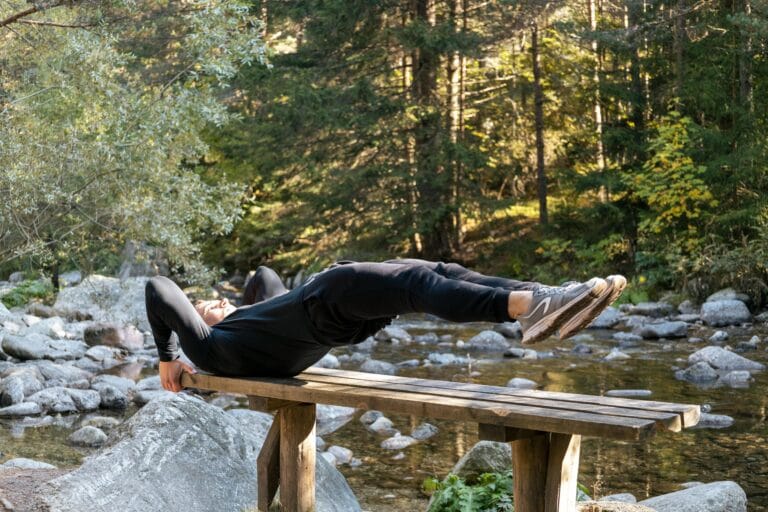
- Walking in nature—the “green exercise” effect combines gentle aerobic activity with soothing visual input, boosting HRV.
These modalities stimulate the ventral vagal complex by providing rhythmic proprioceptive feedback, which the brain interprets as safe, predictable input.
4. Sensory Grounding Through the Five Senses
Trauma‑informed clinicians use the “5‑4‑3‑2‑1” grounding technique to anchor attention in the present. When the nervous system is hyper‑vigilant, the brain is stuck in a hyper‑predictive state, scanning for danger. By deliberately engaging sight, sound, touch, taste, and smell, you give the nervous system concrete, non‑threatening data to process.
Example: Hold a smooth stone, notice its temperature, describe its color, listen to a distant bird, and sip a warm herbal tea. This multisensory cascade reduces amygdala firing and allows the prefrontal cortex to regain regulatory control.
5. Nutrition and the Gut‑Brain Axis
Approximately 90 % of serotonin is produced in the gut, and the microbiome communicates with the vagus nerve. Diets high in processed sugars and saturated fats can exacerbate inflammation, which in turn heightens sympathetic tone. Evidence from a 2020 meta‑analysis links a Mediterranean‑style diet—rich in omega‑3 fatty acids, polyphenols, and fiber—to lower basal cortisol and improved HRV.
Actionable step: Incorporate fermented foods (e.g., kefir, sauerkraut) a few times weekly to support a diverse microbiome, and prioritize magnesium‑rich foods (leafy greens, nuts) that aid the nervous system’s relaxation pathways.
6. Sleep Hygiene as a Reset Mechanism
Sleep deprivation is a potent sympathetic activator. Even subtle disruptions—like a bedroom temperature above 72 °F or blue‑light exposure—can keep the nervous system on edge. A 2018 study in Sleep demonstrated that participants who maintained a consistent bedtime and limited screen exposure showed a 12 % increase in nightly HRV, reflecting better parasympathetic dominance.
Key components:
- Dim lights 30 minutes before bed to encourage melatonin release.
- Use a “wind‑down” ritual (e.g., gentle stretching, journal entry) to signal safety.
- Keep the sleeping environment cool, dark, and quiet.
Practical Guidance to Calm an Overactive Nervous System Naturally
The following routine integrates the evidence‑based tools above into a flexible daily practice. Feel free to adjust timing and intensity based on personal response.
- Morning Reset (5 minutes)
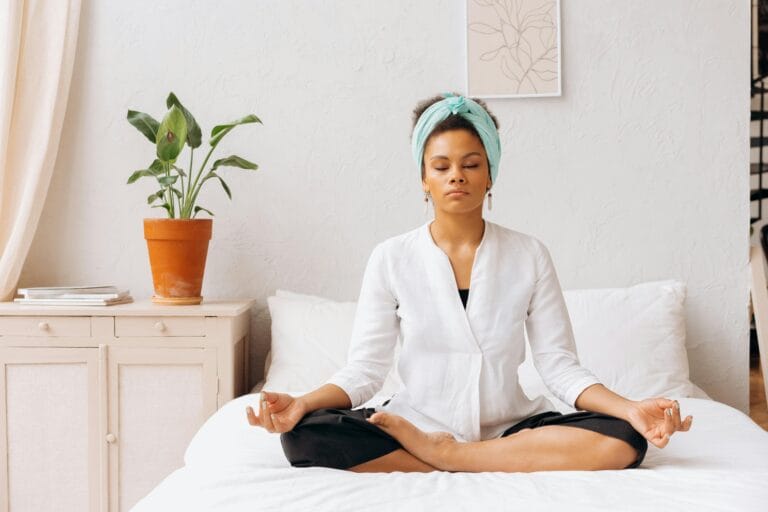
- Sit upright, place one hand on the belly, and practice coherent breathing (5‑5 pattern).
- Follow with a brief 30‑second cold face splash.
- Midday Grounding (3–5 minutes)
- Engage the 5‑4‑3‑2‑1 sensory technique while standing near a window or in a quiet corner.
- Take a slow, mindful walk outside if possible.
- Afternoon Movement (10–15 minutes)
- Choose a restorative yoga sequence or a gentle Tai Chi flow, synchronizing each movement with breath.
- Evening Wind‑Down (10 minutes)
- Warm foot soak for 5 minutes, followed by a short gratitude journal entry.
- Finish with another round of coherent breathing, then dim lights and avoid screens.
Consistency is more important than duration. Even a few minutes of each practice, performed daily, trains the nervous system to recognize safety cues and reduces the likelihood of chronic hyper‑arousal.
Misconceptions, Mistakes, and Nuanced Realities
Many sources claim that “any relaxation technique works” or that “just thinking positive thoughts will reset the nervous system.” These statements overlook two critical nuances:
- Context matters more than technique. A breathing exercise performed while scrolling through stressful news feeds can reinforce anxiety rather than reduce it. The environment must be deliberately calming.
- Individual variability is real. Some people find cold exposure invigorating, while others experience a spike in anxiety. Listening to bodily feedback and adjusting intensity prevents retraumatization.
- Short‑term fixes are not substitutes for pattern change. A single deep‑breath session may lower heart rate momentarily, but without regular practice the nervous system reverts to its baseline hyper‑arousal.
Recognizing these subtleties helps you avoid the “quick fix” trap and builds a sustainable self‑regulation toolkit.
Professional Support Context
If you notice any of the following, consider seeking professional guidance:
- Persistent panic attacks or flashbacks that interfere with daily functioning.
- Symptoms of depression, chronic insomnia, or substance use that have escalated.
- Physical sensations like chest pain, dizziness, or shortness of breath that feel out of proportion to the situation.
Therapeutic approaches such as Somatic Experiencing, Dialectical Behavior Therapy (DBT), or trauma‑focused Cognitive Behavioral Therapy (CBT) incorporate nervous‑system regulation as a core component. A licensed mental‑health professional can tailor interventions, monitor progress, and ensure safety—especially when self‑regulation practices trigger intense emotional material.
In crisis situations, contact your local emergency services or a suicide prevention hotline (e.g., 988 in the United States). Professional support is a vital complement to self‑care, not a sign of failure.
Frequently Asked Questions
Can I calm my nervous system without any equipment?
Yes. Breath work, sensory grounding, and mindful movement require only your body and attention. Even a simple practice of counting breaths for a few minutes can shift autonomic balance.
How long does it take to notice a change in my nervous system?
Individual responses vary, but most people report a perceptible sense of calm after 2–3 weeks of consistent daily practice. Physiological markers like HRV may improve within a few sessions, while emotional resilience builds over months.
Is it safe to use cold exposure if I have a heart condition?
People with cardiovascular issues should consult a healthcare provider before beginning cold‑water practices. A brief,


I appreciated the distinction between short-term stress responses and what happens when the nervous system stays in a prolonged state of activationBlog Comment Creation Guide. One thing that’s helped me think about regulation differently is treating it less like “calming down” and more like giving the body repeated signals of safety through small, consistent habits. Curious if you’ve found certain practices tend to work better depending on whether someone’s symptoms show up more physically or emotionally.