
Anxiety affects over 40 million adults in the United States, which is approximately 19.1% of the population. If you’re one of them, you might be looking for alternative therapies for anxiety that actually work. Fortunately, there are several effective options beyond traditional medication and talk therapy. In this article, we’ll explore alternative therapies for anxiety, including their benefits, how they work, and what you can expect.
Alternative therapies for anxiety offer a range of approaches to manage symptoms, from mind-body techniques to creative expression. These therapies can be used alone or in conjunction with traditional treatments to provide a more holistic approach to anxiety management. Throughout this article, we’ll discuss the various alternative therapies for anxiety, their effectiveness, and how to get started.
From mindfulness and meditation to yoga and art therapy, there are numerous alternative therapies for anxiety that have shown promising results. Whether you’re looking for a complementary approach to traditional therapy or seeking a new way to manage your anxiety, this article will provide you with the information you need to make an informed decision. So, let’s dive into the world of alternative therapies for anxiety and explore what actually works.
Understanding Alternative Therapies for Anxiety
Alternative therapies for anxiety are treatments that fall outside the realm of traditional medication and talk therapy. These therapies focus on the interconnectedness of the mind, body, and spirit, aiming to address the root causes of anxiety rather than just its symptoms. By exploring alternative therapies for anxiety, you can discover new ways to manage your symptoms and improve your overall well-being.
One of the primary benefits of alternative therapies for anxiety is their ability to provide a sense of control and empowerment. By taking an active role in your anxiety management, you can reduce feelings of helplessness and increase your confidence in managing your symptoms. Additionally, alternative therapies for anxiety can be tailored to meet your individual needs, allowing you to explore different approaches until you find what works best for you.
Types of Alternative Therapies for Anxiety
There are numerous types of alternative therapies for anxiety, each with its unique approach and benefits. Some of the most popular alternative therapies for anxiety include mindfulness-based stress reduction, yoga, acupuncture, and art therapy. These therapies can be used individually or in combination to create a comprehensive anxiety management plan.
- Mindfulness-based stress reduction: This therapy focuses on cultivating mindfulness and reducing stress through meditation and yoga.
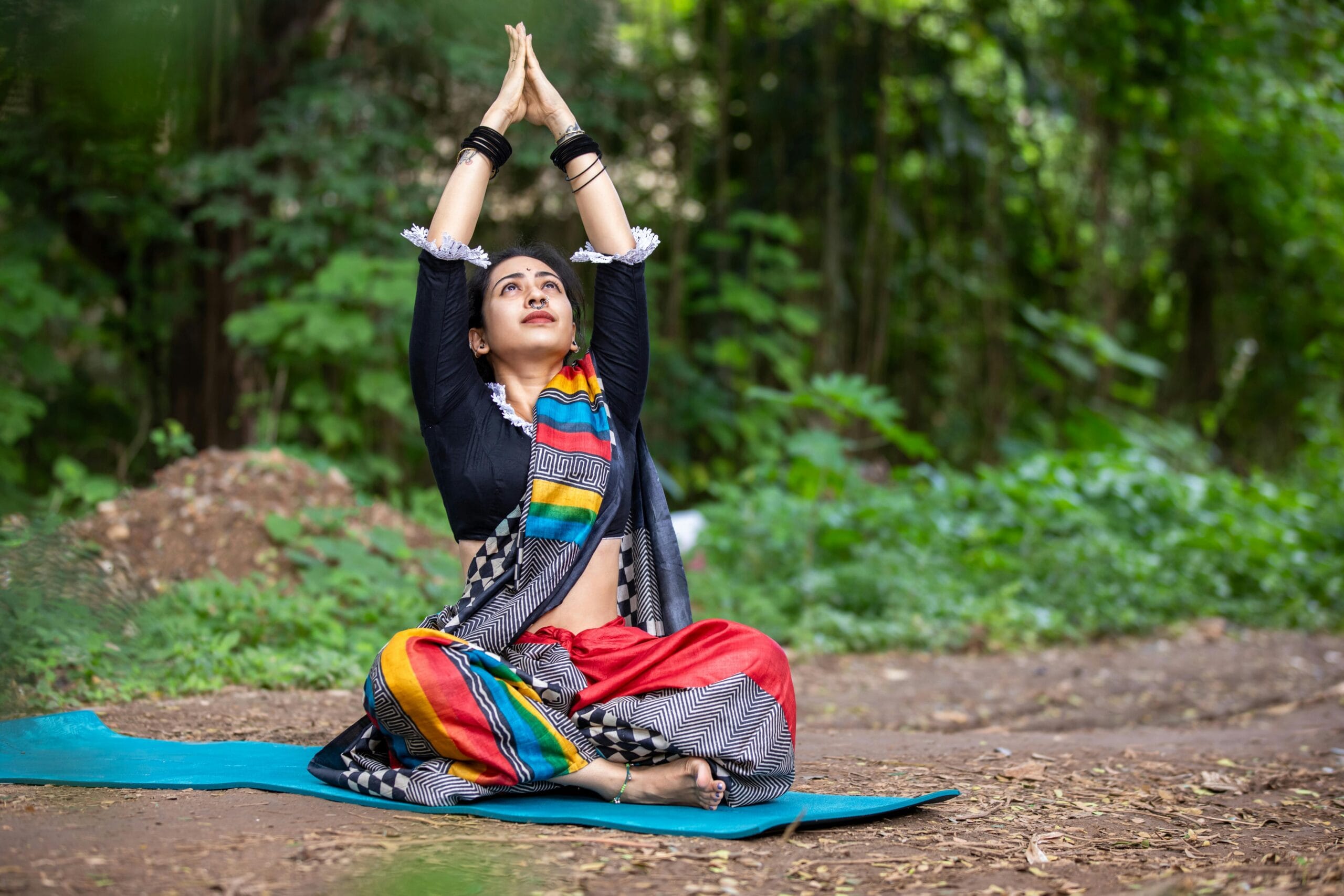
- Yoga: Yoga combines physical postures, breathing techniques, and meditation to promote relaxation and reduce anxiety.
- Acupuncture: Acupuncture involves the insertion of thin needles into specific points on the body to stimulate healing and balance.
- Art therapy: Art therapy uses creative expression to process emotions and manage anxiety.
Mind-Body Therapies for Anxiety
Mind-body therapies for anxiety focus on the interconnectedness of the mind and body, aiming to address the physical and emotional symptoms of anxiety. These therapies include mindfulness, meditation, and yoga, which can help reduce stress and promote relaxation.
One of the most effective mind-body therapies for anxiety is mindfulness-based stress reduction. This therapy involves cultivating mindfulness through meditation and yoga, allowing you to become more aware of your thoughts, feelings, and physical sensations. By practicing mindfulness, you can reduce stress and anxiety, improve your mood, and enhance your overall well-being.
- Start with mindfulness meditation: Begin by practicing mindfulness meditation, focusing on your breath and letting go of distracting thoughts.
- Practice yoga: Incorporate yoga into your daily routine, combining physical postures, breathing techniques, and meditation to promote relaxation and reduce anxiety.
- Engage in physical activity: Regular physical activity can help reduce anxiety by releasing endorphins and promoting relaxation.
Creative Therapies for Anxiety
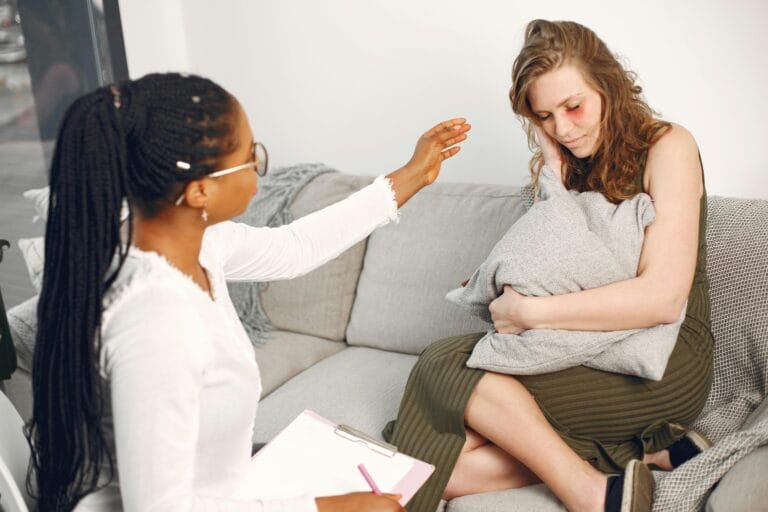
Creative therapies for anxiety offer a unique approach to managing symptoms, using creative expression to process emotions and promote relaxation. These therapies include art therapy, music therapy, and writing therapy, which can provide a healthy outlet for emotions and reduce anxiety.
Art therapy is a popular creative therapy for anxiety, allowing you to express your emotions through visual art. By creating art, you can process your feelings, reduce stress, and promote relaxation. Additionally, art therapy can provide a sense of accomplishment and self-esteem, which can be particularly beneficial for individuals with anxiety.
Getting Started with Creative Therapies
Getting started with creative therapies for anxiety is easier than you think. You can begin by exploring different types of creative therapies, such as art therapy, music therapy, or writing therapy. You can also find local therapists or online resources that specialize in creative therapies for anxiety.
- Explore local art classes: Look for local art classes or workshops that focus on anxiety management and creative expression.
- Try online therapy platforms: Online therapy platforms often offer creative therapies, such as art therapy or music therapy, which can be accessed from the comfort of your own home.
- Practice self-care: Prioritize self-care by engaging in activities that bring you joy and relaxation, such as reading, walking, or spending time in nature.
Energy Therapies for Anxiety
Energy therapies for anxiety focus on balancing the body’s energy to promote relaxation and reduce anxiety. These therapies include acupuncture, acupressure, and Reiki, which can help restore balance to the body and mind.
Acupuncture is a popular energy therapy for anxiety, involving the insertion of thin needles into specific points on the body to stimulate healing and balance. By restoring balance to the body’s energy, acupuncture can reduce anxiety, improve mood, and enhance overall well-being.
Understanding Energy Therapies
Energy therapies for anxiety are based on the concept of energy flow in the body. By restoring balance to the body’s energy, energy therapies can promote relaxation, reduce anxiety, and improve overall health. While energy therapies may seem unfamiliar, they have been used for centuries in traditional Chinese medicine and are now gaining popularity in the Western world.
Nutritional Therapies for Anxiety
Nutritional therapies for anxiety focus on the role of nutrition in managing anxiety symptoms. A healthy diet rich in whole foods, fruits, and vegetables can provide essential nutrients and promote relaxation. Additionally, certain supplements, such as omega-3 fatty acids and vitamin D, may help reduce anxiety symptoms.
One of the most effective nutritional therapies for anxiety is the Mediterranean diet, which emphasizes whole grains, fruits, vegetables, and healthy fats. By following a balanced diet, you can reduce inflammation, promote relaxation, and improve your overall health.
- Eat a balanced diet: Focus on whole foods, fruits, and vegetables, and avoid processed and sugary foods.
- Stay hydrated: Drink plenty of water throughout the day to stay hydrated and promote relaxation.
- Consider supplements: Certain supplements, such as omega-3 fatty acids and vitamin D, may help reduce anxiety symptoms.
Herbal Therapies for Anxiety
Herbal therapies for anxiety offer a natural approach to managing symptoms, using herbs and botanicals to promote relaxation and reduce anxiety. These therapies include herbal supplements, such as passionflower and kava, which can provide a calming effect and reduce anxiety.
One of the most popular herbal therapies for anxiety is passionflower, which has been used for centuries to promote relaxation and reduce anxiety. By taking passionflower supplements or drinking passionflower tea, you can reduce anxiety symptoms and improve your overall well-being.
Understanding Herbal Therapies
Herbal therapies for anxiety are based on the concept of using herbs and botanicals to promote relaxation and reduce anxiety. While herbal therapies can be effective, it’s essential to consult with a healthcare professional before using any herbal supplements, as they can interact with medications or have side effects.
Frequently Asked Questions
Question 1: What are the most effective alternative therapies for anxiety?
The most effective alternative therapies for anxiety include mindfulness-based stress reduction, yoga, acupuncture, and art therapy. These therapies have been shown to reduce anxiety symptoms and promote relaxation.
Question 2: Can alternative therapies for anxiety replace traditional treatment?
Alternative therapies for anxiety can be used in conjunction with traditional treatment, but they should not replace it. It’s essential to consult with a healthcare professional before starting any new therapy or treatment.
Question 3: How do I get started with alternative therapies for anxiety?
Getting started with alternative therapies for anxiety is easier than you think. You can begin by exploring different types of therapies, such as mindfulness, yoga, or art therapy, and finding local therapists or online resources that specialize in anxiety management.
Question 4: Are alternative therapies for anxiety covered by insurance?
Some alternative therapies for anxiety, such as acupuncture and yoga, may be covered by insurance, while others may not. It’s essential to check with your insurance provider to determine what therapies are covered.
Question 5: Can alternative therapies for anxiety be used in conjunction with medication?
Yes, alternative therapies for anxiety can be used in conjunction with medication. In fact, many people find that combining alternative therapies with medication provides the best results. However, it’s essential to consult with a healthcare professional before starting any new therapy or treatment.
Key Takeaways
In conclusion, alternative therapies for anxiety offer a range of approaches to manage symptoms, from mind-body techniques to creative expression. By exploring these therapies, you can discover new ways to manage your anxiety and improve your overall well-being.
- Mindfulness-based stress reduction can reduce anxiety symptoms and promote relaxation.
- Yoga combines physical postures, breathing techniques, and meditation to promote relaxation and reduce anxiety.
- Art therapy uses creative expression to process emotions and manage anxiety.
- Energy therapies, such as acupuncture and acupressure, can restore balance to the body and mind.
- Nutritional therapies, such as the Mediterranean diet, can provide essential nutrients and promote relaxation.
If you’re struggling with anxiety, it’s essential to seek help from a qualified healthcare professional. Alternative therapies for anxiety can be a valuable addition to your treatment plan, providing a holistic approach to managing symptoms and promoting relaxation. Remember, anxiety is not something to be ashamed of, and seeking help is the first step towards recovery.
Don’t hesitate to reach out to a healthcare professional or a therapist who specializes in anxiety management. With the right support and guidance, you can overcome anxiety and live a fulfilling life. Alternative therapies for anxiety can be a powerful tool in your journey towards recovery, and we hope this article has provided you with the information and inspiration you need to get started.
Resources
- SAMHSA National Helpline: 1-800-662-4357 (24/7 free, confidential support)
- National Alliance on Mental Illness (NAMI): A organization that provides education, support, and advocacy for individuals with mental illness.
- Anxiety and Depression Association of America (ADAA): A organization that provides education, support, and resources for individuals with anxiety and depression.
- Crisis Text Line: Text “HOME” to 741741 (24/7 free, confidential support)
Disclaimer: This article is for informational purposes only and does not constitute medical advice. Always consult with qualified healthcare professionals for diagnosis and treatment of anxiety disorders.