Table Of Content
Why the Need to Check Becomes a Loop
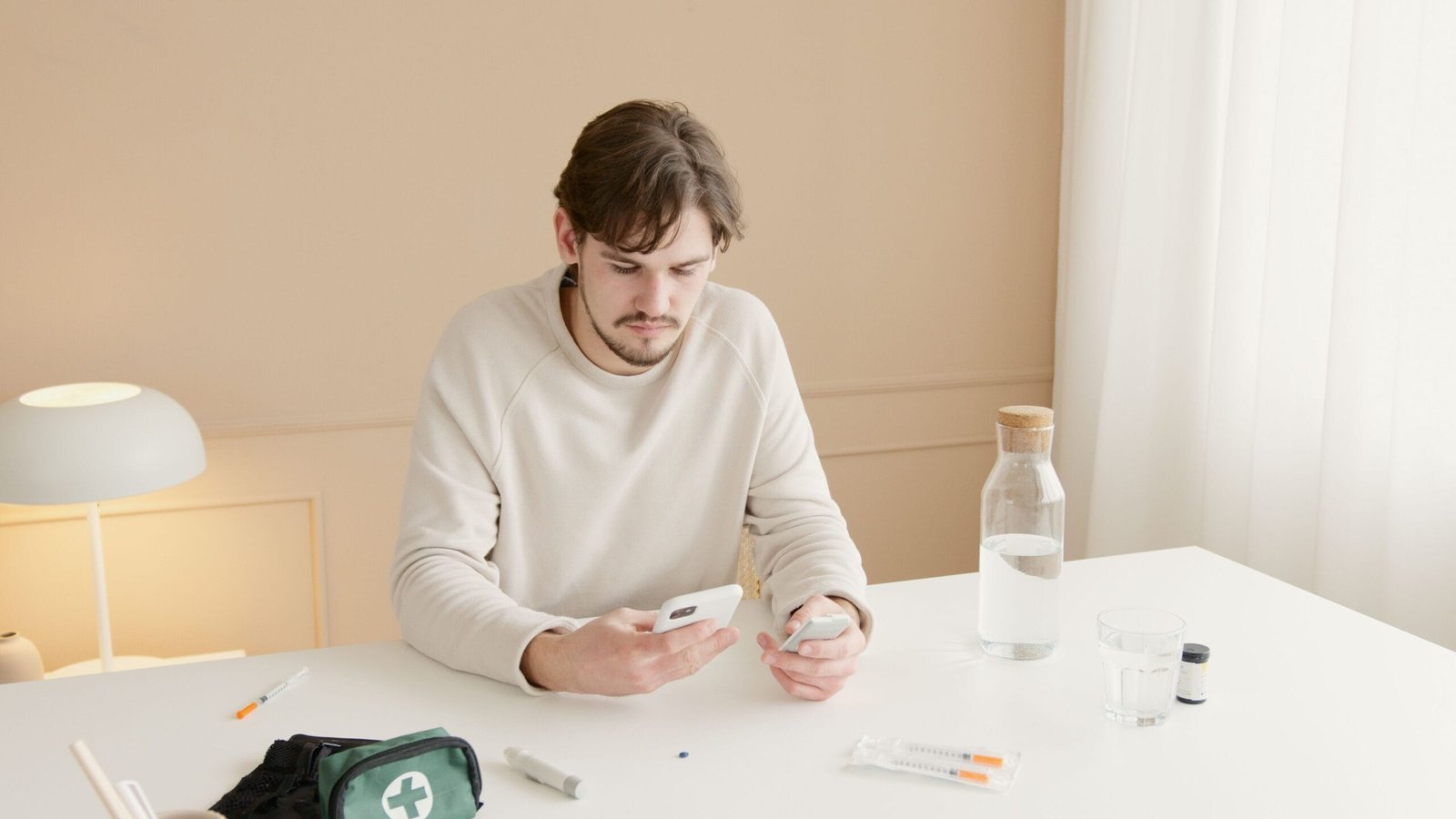
Imagine waking up with a faint headache. You glance at the ceiling, wonder if it could be a sign of something serious, and then you reach for your phone to search “early signs of brain tumor.” The search brings up a list of rare symptoms, and suddenly you feel a new twinge in your neck. You check your pulse, count each beat, and notice it’s a little faster than usual. The more you look, the more you notice, and the more uneasy you become.
This pattern—spotting a bodily sensation, searching for an explanation, and then feeling more convinced that something is wrong—is what many people with health‑focused anxiety experience. The behavior itself, called symptom checking or reassurance seeking, often feels like a reasonable attempt to stay safe. Yet, over time it can become a self‑reinforcing cycle that keeps anxiety high and erodes confidence in one’s own body.
What Is “Constant Symptom Checking?”
In everyday language, symptom checking simply means paying attention to how your body feels. In the context of health anxiety, it refers to a repetitive, often compulsive, pattern of monitoring physical sensations, searching the internet, or repeatedly visiting doctors for reassurance. Psychologists describe this pattern as a safety behavior—an action taken to reduce perceived threat without actually addressing the underlying worry.
Key features of constant symptom checking include:
- Frequency: The behavior occurs multiple times a day, sometimes every few minutes.
- Intensity: The checking feels urgent, as if missing a sign could have serious consequences.
- Escalation: Small or normal sensations become magnified into “red‑flag” warnings.
- Ritualization: The checking follows a predictable pattern—e.g., “I will look up my symptom, then I will count my heartbeats, then I will read a medical article.”
Why Does the Checking Start? (Underlying Psychological Mechanisms)
Two basic motivations drive the behavior:
- Threat Detection: Evolution has wired us to notice bodily changes that could signal danger. When a person has a heightened sensitivity to health threats, the brain’s alarm system (the amygdala and related networks) becomes over‑active, flagging even benign sensations as potentially harmful.
- Uncertainty Intolerance: Many people find not knowing uncomfortable. The urge to resolve uncertainty pushes them toward immediate information—often through internet searches or self‑exams—because “not knowing” feels worse than “knowing.”
Both motivations are reinforced by short‑term relief. When you read an article that seems to explain a symptom, you feel a brief drop in anxiety. That relief teaches the brain that checking works, even though it does not address the deeper worry about health.
How the Cycle Maintains Itself
Once established, the checking pattern feeds on itself through several feedback loops:
- Attention Bias: The brain starts to preferentially notice bodily sensations, ignoring neutral or positive signals. This selective attention makes the body feel “noisy,” which fuels more checking.
- Interpretation Bias: Ambiguous sensations are interpreted as dangerous. A normal stomach rumble becomes “possible ulcer.” The bias is strengthened each time a feared outcome is “ruled out” by a doctor, because the reassurance is taken as temporary proof rather than lasting evidence.
- Safety Behavior Reinforcement: Because checking reduces anxiety for a few minutes, the behavior is positively reinforced. The longer the pattern continues, the more entrenched it becomes.
- Negative Emotional Memory: Each episode of checking is stored with the accompanying anxiety. Later, a subtle cue (a slight ache, a news headline) can trigger the memory, automatically launching the checking routine.
Common Misunderstandings About Symptom Checking
Understanding the misconceptions can reduce self‑judgment and open space for change.
“If I just stop, the anxiety will disappear.”
Stopping abruptly often leads to a sharp increase in anxiety. The brain expects the safety behavior; removing it without alternative coping strategies can feel like losing a protective shield.
“I’m being irrational; I should just trust my doctor.”
Even after a clean medical evaluation, the urge to check can persist because the anxiety is not about the actual health status but about the feeling of uncertainty. Trusting a doctor is an important step, but it does not automatically dissolve the anxiety that fuels checking.
“The internet will give me the answer I need.”
Online medical information is designed for a broad audience and often lists rare conditions alongside common ones. Searching for “symptom X” typically yields a long list of possibilities, which can amplify fear rather than calm it.
“If I keep checking, I’ll catch a problem early.”
Evidence suggests that frequent self‑monitoring does not improve early detection of serious illness. In fact, it may lead to unnecessary medical visits, increased health care costs, and heightened anxiety.
Evidence‑Based Approaches That Address the Core of Checking
Therapeutic models that have demonstrated effectiveness for health anxiety and related checking behaviors include:
- Cognitive Behavioral Therapy (CBT): Targets distorted thoughts (e.g., “A headache always means a brain tumor”) and replaces them with balanced appraisals.
- Exposure and Response Prevention (ERP): Involves intentionally refraining from checking after a trigger sensation, allowing the anxiety to naturally decline.
- Acceptance and Commitment Therapy (ACT): Helps individuals accept the uncomfortable feeling of uncertainty and commit to actions aligned with valued life directions, rather than symptom checking.
- Interoceptive Exposure: Repeatedly brings about bodily sensations (e.g., increased heart rate through light exercise) in a safe setting, demonstrating that the sensations are tolerable and not dangerous.
- Intolerance of Uncertainty Training: Teaches skills to sit with ambiguity, such as “uncertainty journaling” or structured worry periods.
Research from randomized controlled trials indicates that CBT‑based programs, especially those incorporating exposure components, lead to moderate to large reductions in health anxiety scores (e.g., the Health Anxiety Inventory). ACT and mindfulness‑based approaches also show promise, particularly for individuals who struggle with catastrophic thinking.
Practical Guidance: Gentle Steps Toward Reducing Checking
Below are actionable ideas that align with the therapeutic principles above. They are not a full treatment protocol, but rather entry points you can try while you consider professional support.
1. Notice the Trigger, Not the Action
When you feel the urge to check, pause and name the feeling: “I’m feeling a little tight in my chest, and I’m noticing a surge of worry.” Naming the emotion creates a small distance between the sensation and the automatic response.
2. Set a “Check‑Free” Window
Start with a brief, realistic period—perhaps 10 minutes—where you commit to not looking up symptoms or checking your pulse. During that time, engage in a neutral activity (reading, cooking, walking). The goal is to experience that anxiety naturally declines after a short peak, a phenomenon known as habituation.
3. Use a “Worry Schedule”
Allocate a specific time each day (e.g., 7 pm–7:30 pm) for health‑related thoughts. Outside that window, if a symptom arises, remind yourself, “I’ll note this and think about it later.” This technique reduces the constant intrusion of health worries into the day.
4. Re‑frame the Thought, Not the Symptom
Instead of trying to “prove” that a sensation is harmless, ask, “What evidence do I have that this feeling is dangerous? What evidence suggests it is normal?” Write down both sides; the balanced view often tips toward a benign explanation.
5. Limit Online Searches
Designate a single, trusted source (e.g., NHS website) and set a timer for 5 minutes. After the timer, close the browser. This limits the cascade of information that can overwhelm you.
6. Practice “Grounding” When Anxiety Peaks
Grounding techniques—such as the 5‑4‑3‑2‑1 sensory exercise—help shift attention away from internal sensations toward external, present‑moment details, reducing the urge to check.
7. Track Progress, Not Perfection
Keep a simple log: date, trigger, how long you resisted checking, and the anxiety rating (0‑10). Over weeks, you’ll notice a gradual decline in both frequency and intensity, even if setbacks occur.
When Professional Support Is Worth Considering
While the steps above can lessen the habit for many, certain situations call for a therapist’s guidance:
- Checking occupies most of your day, interfering with work, relationships, or sleep.
- You’ve experienced repeated unnecessary medical tests or procedures driven by anxiety.
- Your anxiety spikes after a health scare (e.g., a recent illness, family member’s diagnosis).
- You find it extremely difficult to tolerate a “check‑free” window, even for a few minutes.
Therapists trained in CBT, ERP, or ACT can tailor exposure exercises, help you restructure deep‑seated beliefs, and provide a supportive environment for practicing uncertainty tolerance.
Real‑World Example: Maya’s Journey
Maya, a 34‑year‑old graphic designer, began noticing a slight flutter in her chest after a stressful project deadline. She searched “fluttering chest anxiety” and read about rare heart conditions. The next day she felt a mild headache and immediately booked an urgent appointment, only to receive a clean bill of health. The relief lasted a few hours before the next sensation triggered another search.
After six months of escalating appointments, Maya decided to try a therapist who used CBT with exposure. Together they identified her core belief: “If I don’t know exactly what’s happening inside my body, I’m at risk of dying.” They designed a hierarchy of exposure tasks, starting with a 5‑minute “no‑check” period after noticing a flutter. Maya paired this with a cognitive restructuring worksheet that asked her to list three normal explanations for the flutter (e.g., caffeine, stress, mild dehydration).
Over three months, Maya’s “check‑free” windows grew from 5 minutes to an hour. She still experienced occasional urges, but the anxiety rating dropped from 9/10 to 4/10 on average. Maya also learned to schedule a brief “worry period” each evening, which reduced the intrusive thoughts during the day. She continues to see a therapist monthly for maintenance, but the frequency of medical visits has dropped dramatically.
Holistic Mindverse Resources to Support You
If you feel ready to explore a more structured approach, consider our Health Anxiety Recovery Workbook. It guides you through the cognitive and exposure techniques discussed here, with worksheets designed for self‑reflection rather than therapist‑directed homework.
Unsure where you stand? Our Self‑Assessment Tool can help you gauge the intensity of your health‑focused checking and suggest next steps.
Frequently Asked Questions
Is it safe to stop checking my body completely?
For most people, a gradual reduction is safer and more sustainable. Completely eliminating all monitoring can feel threatening and may increase anxiety. The goal is to replace compulsive checking with balanced awareness.
What if a symptom actually is serious?
If a symptom is new, worsening, or accompanied by alarming signs (e.g., chest pain radiating to the arm, sudden vision loss), seeking medical evaluation is appropriate. Health anxiety focuses on the pattern of excessive checking, not on legitimate medical concerns.
References and further reading
This article is educational and summarises widely accepted information. It does not replace assessment or treatment by a qualified health professional.